

How To Choose the Perfect Paint Color for Your Kitchen
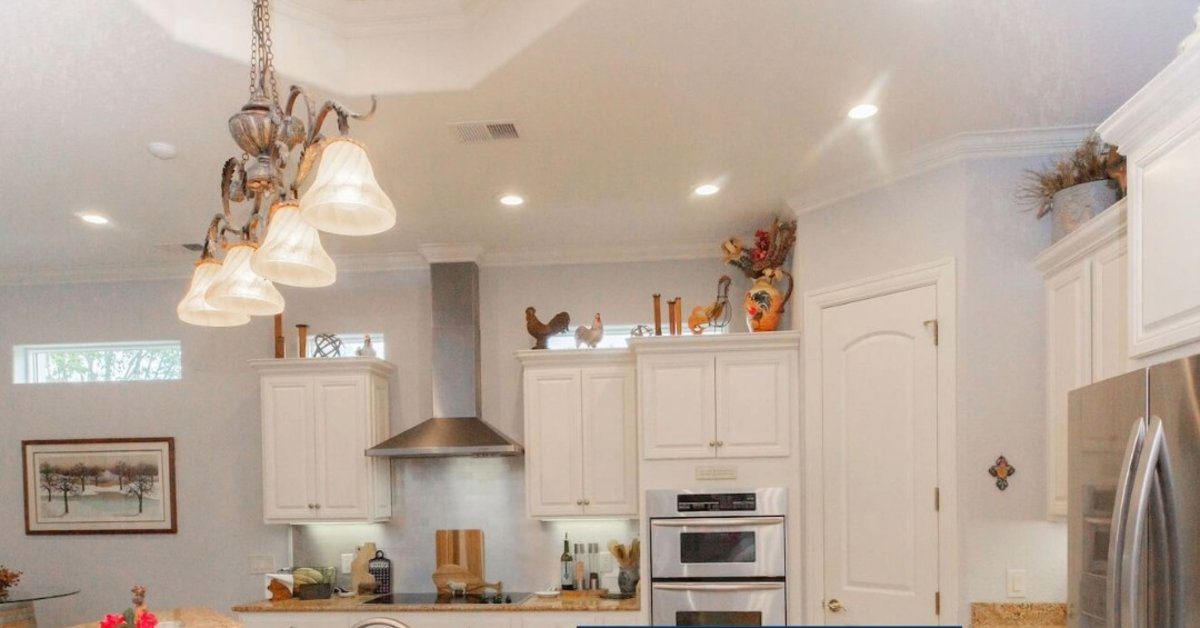
A kitchen carries a rhythm that shifts throughout the day. Morning light lands softly across the counters, afternoons pick up with movement and noise, and evenings settle into a slower pace. Color sits quietly in the background of all of it, shaping how the space feels without calling attention to itself.
At first, it feels like a quick decision, yet choosing the perfect paint color for your kitchen often takes a little more time once you notice how everything in the space works together. A sample may seem right in your hand but appears different once in your cabinets, flooring, and lighting. What seemed simple becomes layered.
The right paint color supports that goal and helps the space hold up through daily use.
Start With What You Already Have
Every kitchen already tells part of the story before any paint goes on the wall. Cabinets, countertops, backsplash, and flooring create a base that your wall color needs to work with, not against.
Take a close look at those materials. Wood cabinets often carry warm undertones, while stone surfaces may lean cooler or more neutral. Even white cabinets can shift slightly warm or cool depending on the finish. These small differences influence how your paint color will appear once everything sits side by side.
A color that ignores those details can feel disconnected. A color that works with them tends to settle into the space more naturally.
Watch How Light Changes Everything
Lighting has a way of shifting color that catches people off guard. The same shade can feel soft in the morning and slightly darker by evening. That change does not come from the paint itself. It comes from the light moving through the room.
Natural light plays the biggest role. Kitchens with strong sunlight can support cooler tones without feeling stark. Rooms with limited natural light often benefit from warmer shades that bring a bit of balance.
Artificial lighting adds another layer. Warm bulbs can soften a color, while cooler bulbs may bring out gray or blue undertones. Under-cabinet lighting can also affect how the color reads along your backsplash and lower walls.
Testing paint directly on your walls helps you see these changes in real time. A sample that looks steady throughout the day often feels more reliable once the project wraps up.
Use Color to Support the Size of the Room
Color affects how your kitchen feels in terms of space. Lighter shades reflect more light, which can help smaller kitchens feel open and less confined. Soft whites, warm neutrals, and pale grays often create that effect without feeling too stark.
Darker colors bring a different kind of depth. In a larger kitchen, deeper tones can make the space feel grounded rather than oversized. Rich greens, navy tones, and charcoal shades add contrast when paired with lighter cabinets or countertops.
Balance matters more than the color itself. A darker wall can still feel comfortable when the rest of the space offsets it with lighter finishes.
Open layouts bring another consideration. Your kitchen does not sit alone, so the color should connect with nearby rooms. A shared palette helps everything flow without feeling repetitive.
Think About Your Daily Routine
No two kitchens function the same way. Some serve as central gathering spaces, while others remain quieter and more streamlined. Your paint color should reflect how you use the room, not just how it looks.
Neutral tones often work well for busy kitchens. They create a steady backdrop that does not compete with daily activity. These colors also allow you to change decor or accents without feeling locked into one direction.
If you want to bring in more personality, you can focus color on a specific area. A painted island or a single wall can shift the mood without overwhelming the entire space.
Maintenance plays a role here as well. Mid-tone colors tend to hide everyday wear better than very light or very dark shades. That can make a noticeable difference over time.
Keep Cabinets, Walls, and Trim in Sync
Your cabinets and trim create structure in the room. Wall color should support that structure rather than compete with it.
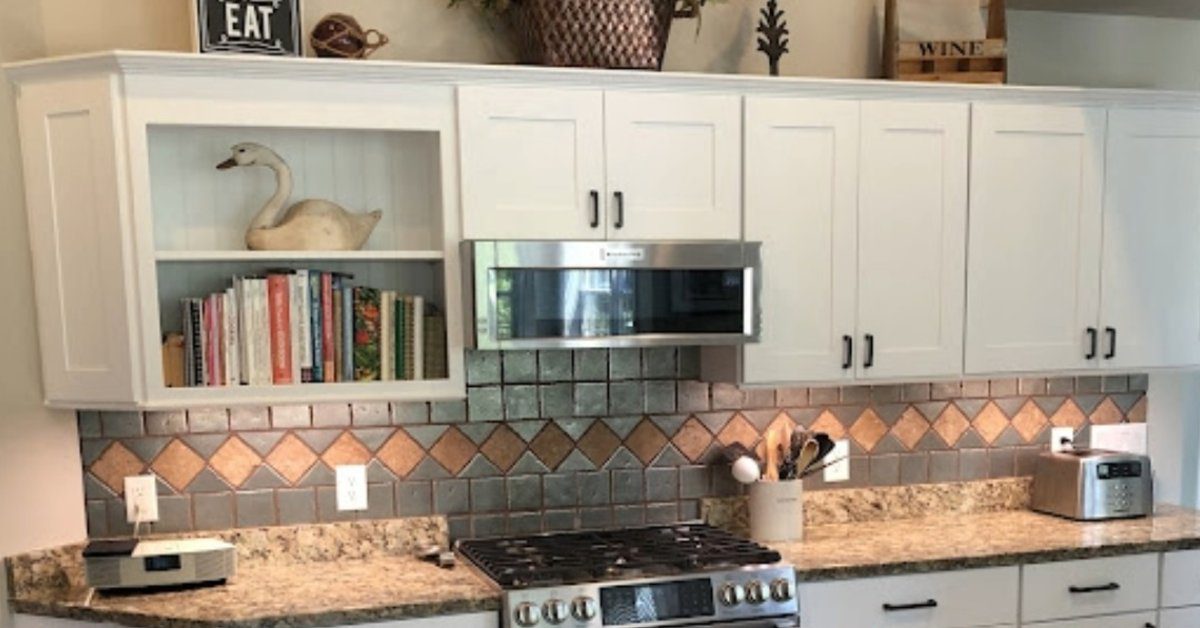
White cabinets give you flexibility with wall color. You can move slightly warmer or cooler, depending on the look you want. Darker cabinets call for more attention to balance, especially if you want to keep the space from feeling heavy.
Trim works best when it stays within the same color family as your walls. A small shift in shade adds dimension while keeping the overall look clean. Strong contrast can work in some spaces, yet it often feels sharper than most kitchens need.
Test Paint Samples With Purpose
Testing paint samples helps you move forward with more confidence. A small swatch rarely gives you the full picture, so it helps to go a bit bigger.
Place samples in a few different spots around your kitchen. Choose areas that get different levels of light. This gives you a clearer sense of how the color behaves throughout the day.
Pay attention to:
- Changes in color from morning to evening
- How the shade looks next to cabinets and countertops
- The way artificial lighting affects the tone
- Whether the color feels even across the room
Taking time with this step often saves you from second-guessing later.
Choose a Finish That Works for a Kitchen
Kitchens demand more from paint than many other rooms. Heat, moisture, and frequent cleaning all come into play.
Eggshell and satin finishes tend to work well on walls. They offer a soft sheen and handle light cleaning without much effort. Semi-gloss finishes hold up well on trim and cabinets where surfaces see more contact.
Flat finishes may look smooth at first glance, yet they often show marks more easily in active spaces. A finish that holds up to daily use helps your color stay consistent over time.
Keep Long-Term Style in Mind
Paint trends shift over time, yet your kitchen should feel comfortable for years to come. Neutral colors continue to hold their place because they adapt easily. Soft whites, warm neutrals, and muted greens often stay relevant without feeling tied to a specific moment.
You can still bring in trend-driven touches through decor, lighting, or seating. These details are easier to update later.
Homeowners who plan often choose colors that appeal to a wider range of styles. A balanced kitchen tends to feel more inviting and easier to work with over time.
Bring the Whole Space Together
Paint selection may seem simple at first, yet it often becomes more detailed once you get into it. Lighting, undertones, finishes, and layout all play a part. That’s where many homeowners circle back to choosing the perfect paint color for your kitchen with a clearer sense of what matters.
Working with a team experienced in interior home painting services helps bring those moving parts together in a way that feels steady and well-planned. When the color fits your lighting, materials, and routine, the room settles into place without effort. That sense of balance makes the kitchen easier to enjoy over time.
Our team can help homeowners design kitchens that feel comfortable, clean, and ready for everyday life. With the right guidance, your space can come together in a way that feels natural from the start.