

How Weather & Humidity Affect Your Exterior Painting Timeline
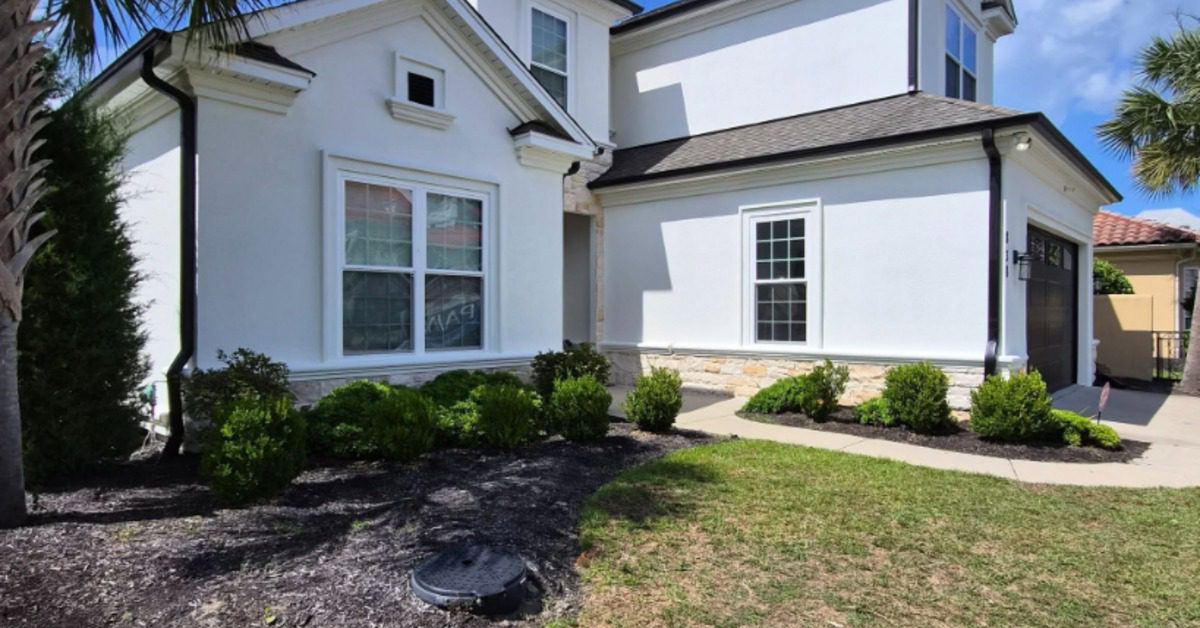
A fresh exterior color can make your home feel cleaner, brighter, and better cared for. Before the first coat goes on, though, the forecast has a major say in how the project unfolds. Understanding how coastal weather and humidity affect your exterior painting timeline helps you plan around the conditions that give paint the best chance to bond well and last.
That matters even more in places like Myrtle Beach and Charleston. A clear morning can turn sticky by lunch, and yesterday’s rain can linger in wood, trim, or masonry longer than expected. When painters account for moisture, temperature, wind, and sunlight, they can protect the finish instead of forcing the schedule.
Why Weather Matters Before the First Coat
A strong exterior finish starts before anyone opens a paint can. Siding, trim, doors, and shutters all require a clean, dry surface and a weather window that supports proper application.
Paint also goes through two separate stages. First, it dries as moisture or solvents leave the coating. After that, it cures as the finish hardens and gains durability. A wall can feel dry even when the coating still needs more time to handle rain, high humidity, or direct sun.
That’s why a professional crew looks beyond the daily high temperature. Overnight lows, surface moisture, rain chances, wind, and sun exposure all shape the timeline.
Humidity Can Stretch the Schedule
On humid days, drying takes patience. Since the air already holds more moisture, paint releases water more slowly. That delay can push back primer, finish coats, and touch-ups.
High humidity may leave paint tacky longer than expected. While the coating stays soft, pollen, insects, and dust can stick to the surface. Heavy moisture may also affect sheen or weaken adhesion, especially on areas that had peeling paint before prep began.
Dry air can create its own issue. When paint dries too fast, it has less time to settle smoothly across siding or trim. Lap marks and uneven texture can show up faster than homeowners expect.
For coastal South Carolina homes, painters often look for a window of moderate humidity rather than rushing through thick summer air.
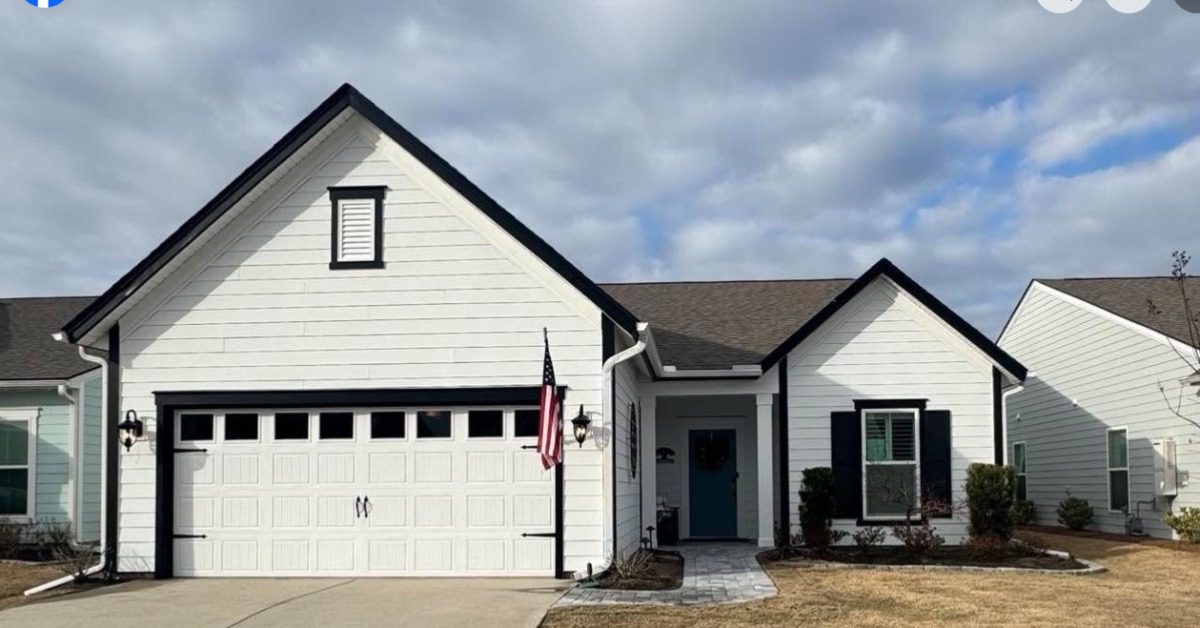
Temperature Changes the Way Paint Performs
Few weather conditions influence an exterior paint job as much as temperature. It changes how the coating spreads and how quickly it starts to cure.
Cold weather slows the process. Paint can stay soft for too long, leaving the finish exposed to dew, dirt, and early moisture. Many exterior products also have minimum application temperatures, and those limits apply to the surface, not only the air.
Heat creates a different challenge. Siding in direct sun can feel much hotter than the forecast suggests, especially on darker colors. When paint dries too quickly on a hot wall, the finish may show lines, rough texture, or thin coverage.
Experienced painters often follow the shade around the house. One side may make sense in the morning, while another side may need to wait until the sun moves.
Rain Affects More Than the Day of Painting
Even after the clouds clear, yesterday’s rain can still affect today’s project. Wood, stucco, brick, and gaps around trim may hold moisture long after the surface looks dry.
Painting over damp material can lead to peeling, bubbling, or early cracking. Those problems may not appear right away, which makes proper timing even more important.
Fresh paint also needs a dry window after application. If a shower passes through too soon, it can leave streaks, water spots, or washed-out areas. A careful crew watches the forecast before and after painting, not only during the workday.
Morning Dew Can Delay the Start Time
No rain in the forecast doesn’t always mean the surface is ready. In humid coastal areas, overnight dew often settles on siding, windowsills, porch ceilings, and trim.
Starting too early can trap that moisture beneath the coating. Over time, trapped moisture can affect adhesion and leave the finish vulnerable.
A later start may feel inconvenient when the sky looks clear. Still, waiting until the surface dries helps the paint bond better and reduces the chance of rework.
Wind, Sun, and Shade All Affect the Finish
A breezy day can help washed surfaces dry, but strong wind creates problems once painting begins. Sand, pollen, leaves, and dust can land in fresh paint before it has time to set. Wind can also affect spray application and add extra time for masking.
Sun exposure varies from one side of the home to the other. Shaded walls may stay damp longer, while sunny walls can heat up quickly. Covered porches, trees, and mixed siding materials can also change the timing across the same property.
Conditions Painters Watch Closely
A professional crew usually checks:
- Surface dryness before prep and painting
- Morning and evening temperature swings
- Humidity levels during application
- Rain chances before and after painting
- Wind speed during brush, roller, or spray work
- Sun exposure on each side of the home
These details help painters move the project forward without rushing the coating.
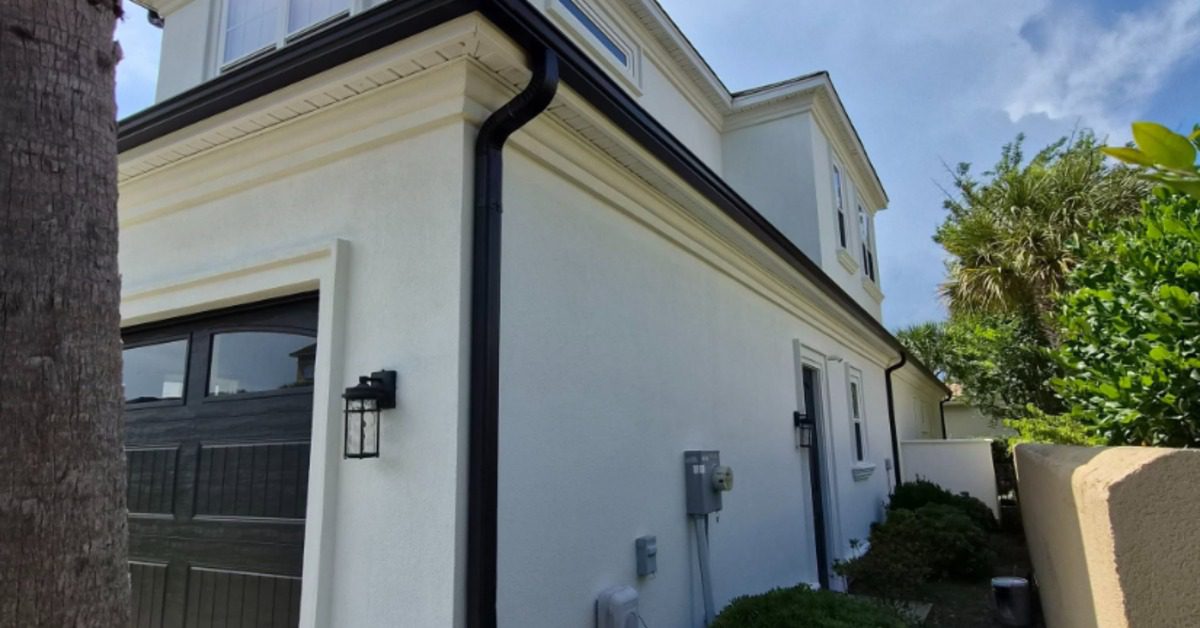
Seasonal Timing Can Make a Difference
Every season brings a different set of painting conditions. Spring can bring mild temperatures, though rain may disrupt the schedule. Summer brings longer workdays for crews, but heat and humidity can narrow the optimal painting window.
Fall often gives homeowners a better balance of comfortable temperatures and lower humidity. In many coastal areas, exterior painting can still work well outside peak summer heat.
Winter depends on the weather pattern and the product. Some South Carolina days may be suitable for exterior painting, while cold mornings or sudden temperature drops can delay the job.
The best season depends on your home’s surface, the paint system, and the available weather window.
Product Choice Matters in Humid Climates
Paint quality matters in any climate, but coastal humidity makes product choice even more important. High-quality exterior acrylic paints often perform well on homes that face sun, moisture, and salt air.
Primer also plays a major role. Bare wood, repaired areas, and spots with old, peeling paint may need the right primer before finish coats are applied. Without it, even a good paint can struggle on problem areas.
Manufacturers provide guidelines for temperature, humidity, drying time, and recoat time. A skilled exterior house painter uses those instructions along with jobsite judgment. That helps the crew avoid painting too soon, recoating too early, or working through conditions that could shorten the life of the finish.
Prep work follows the same rule. Washing, scraping, sanding, caulking, and priming all need enough dry time before the final coats go on.
A Better Timeline Starts With Flexibility
Exterior painting rarely follows a perfect calendar. A forecast can shift overnight. A shaded wall may take longer to dry. A humid morning may push the first coat later in the day.
Flexibility protects the investment. Rushing under poor conditions may save a few hours at first, but it can lead to peeling, streaking, or extra touch-ups later.
Knowing how weather and humidity affect your exterior painting timeline gives you a clearer way to plan. When Paint Rx schedules exterior painting around the right conditions, your home gets a cleaner finish, stronger adhesion, and better protection through changing coastal weather.
Ready to refresh your exterior? Contact Paint Rx to plan your project with a team that knows when the timing works best.