

How To Budget for Your Professional Home Painting Project
A fresh coat of paint can change how your home feels the moment you walk through the door. It can also protect your surfaces and help your property look cared for from the street. Before you schedule the work, you need a clear sense of what shapes the price.
If you want to budget for a professional home painting project, start with the size of the job and the condition of your surfaces.
A professional painting project should feel organized from the first estimate through the final walkthrough. When you understand the main cost factors, you can compare quotes with more confidence. You can also decide where to spend and where to keep things simple.
Start With the Full Project Scope
Your budget begins with the work you want done. A bedroom repaint will cost less than a full interior refresh. An exterior project may cost more if your home has peeling paint, tall sections, or weathered trim.
Write down every area you want painted before you request an estimate. Include walls, ceilings, trim, doors, siding, shutters, and porch areas. Clear notes help the painter price the work with fewer surprises.
You should also decide whether you want the same color or a new one. Color changes can affect coverage. Dark paint may need extra care when you switch to a lighter shade.
Measure the Space Before You Compare Prices
Square footage plays a major role in painting costs. Larger areas need more paint and more labor time. Detailed areas can also raise the price, even when the space looks small.
Trim-heavy rooms take longer than plain walls. Stairways can also add time because they need more setup. On exteriors, siding style can affect labor because some surfaces take paint faster than others.
You don’t need exact measurements before you call a professional. A basic room count or a rough idea of your home’s size can help the conversation start smoothly.
Plan for Prep Work
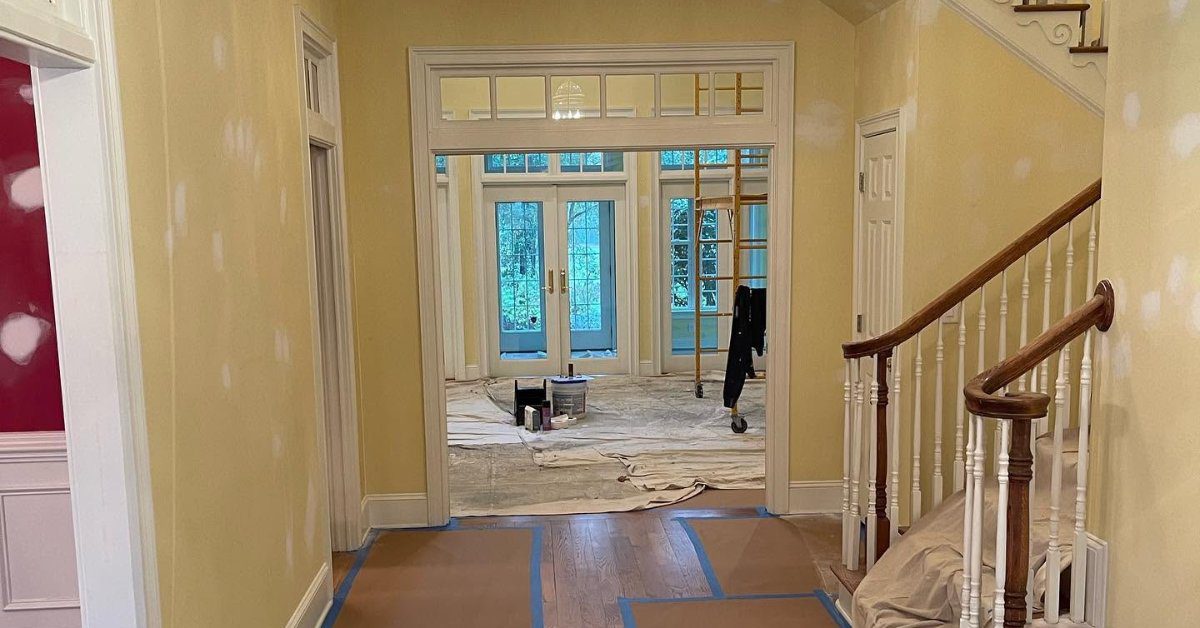
Prep work often separates a quick paint job from a polished result. Paint won’t hide every flaw. It can even make cracks or rough patches stand out once the light hits the surface.
Interior prep may include patching holes or sanding rough spots. A crew may also caulk gaps along trim. Exterior prep may involve washing the surface, scraping loose paint, or priming bare areas.
Homes near the coast may need extra care because sun and moisture can wear down exterior finishes. A quote with more prep may cost more at first. That added care can help the finish last longer.
Choose Paint That Fits Each Space
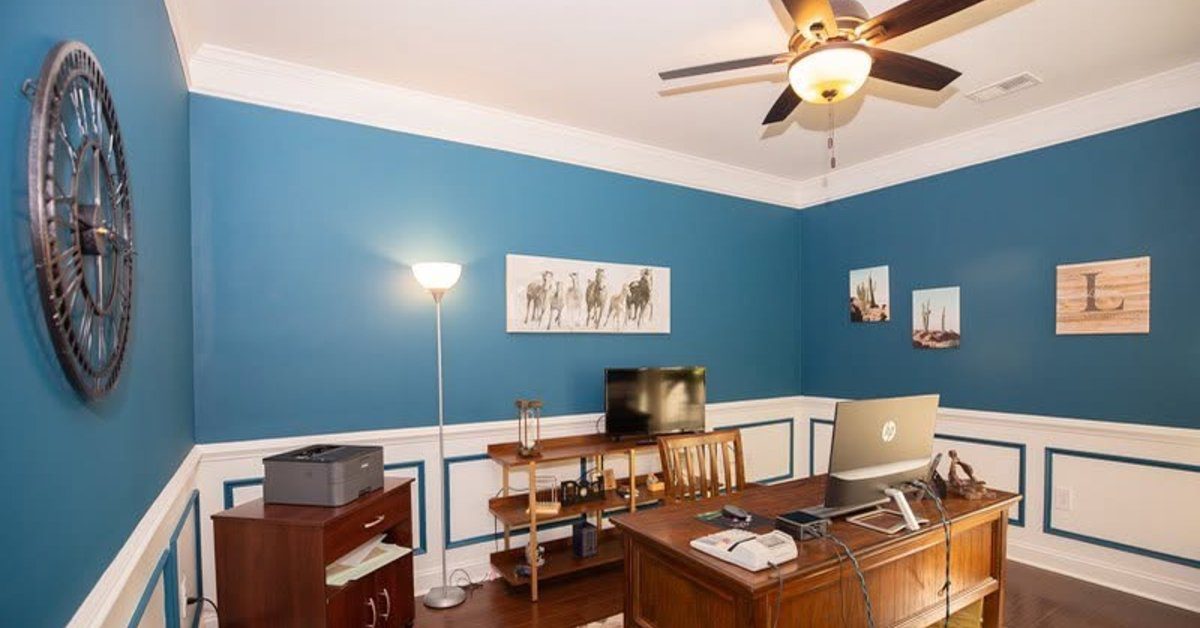
Paint type affects your budget and the finish’s performance. A lower-cost paint may work in a quiet guest room. A busy hallway or bathroom may need a stronger product.
Ask your painter which paint makes sense for each space. Kitchens need finishes that handle cleaning. Bathrooms need products that withstand moisture.
Exterior paints need to resist sun and humidity. Sheen matters as well. Flat paint can soften wall flaws, while satin finishes often work better on trim.
Compare Estimates Carefully
A low quote may look appealing at first glance. It may not include the same level of prep as a higher estimate. You’ll get a better sense of value when you compare the details.
Look for clear notes about:
- The areas included
- The number of coats
- The paint products
- The surface prep
- The cleanup process
Ask how the crew will protect floors, furniture, landscaping, and fixtures. A vague estimate can lead to confusion. A detailed estimate helps you understand what you’re paying for before anyone opens a can of paint.
Ask About Labor and Crew Standards
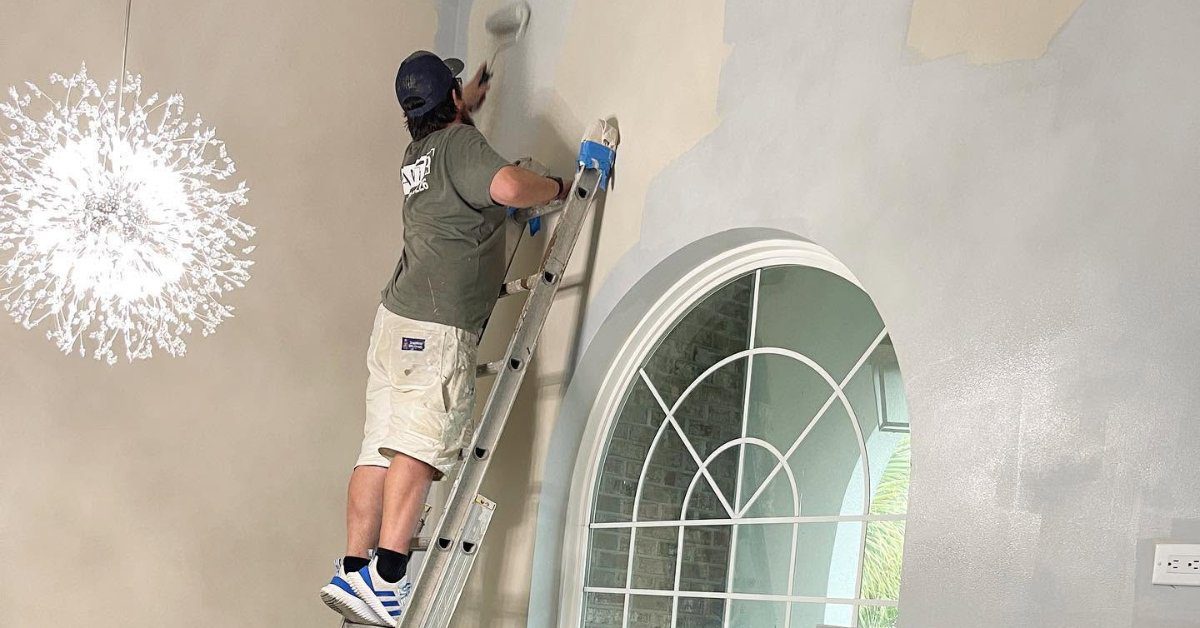
Labor accounts for a large share of a professional painting budget. Skilled painters take the time to set up the job and protect your property. That time supports the final result.
Ask who will work on your home. Paint Rx uses an in-house team, which helps keep communication clear and service consistent. That matters when you want a smooth experience from estimate to final walkthrough.
When you compare painting contractors, look for clear answers and a professional process. Price matters, but trust matters too.
Build in Room for Small Repairs
Painting projects can reveal problems once furniture is moved or old paint is scraped away. You may find soft wood, water stains, cracked caulk, or drywall damage. These issues can affect the final price.
Set aside a small cushion in your budget for repairs. A little extra room can help you handle changes without rushing the decision. You may not need it, but it can make the project feel less stressful.
It also helps to talk through possible repair costs before work begins. A painter can explain which issues look likely and which ones may need a closer look during prep.
Decide Where Quality Matters Most
You don’t have to spend the same amount in every room. Some spaces deserve more durable paint because they see daily use. Other rooms may need a simpler finish.
Prioritize the places people notice most. Main living areas and front doors often make a stronger visual impact. High-touch trim also deserves better paint because it gets scuffed.
A professional can help you match the product to the surface. That guidance keeps your budget focused on the areas that need the most care.
Time the Project With Your Budget in Mind
Timing can affect your planning. Interior work may need to fit around family schedules or moving plans. Exterior painting depends more on weather and surface conditions.
Mention any deadline early. Painters can explain what the schedule allows and where the project may need flexibility. Rushing a project can create stress, especially when the work needs repairs.
Planning gives you more control over timing. It can also give you more space to review colors and compare estimates.
Know What a Professional Experience Includes
A professional painting project includes more than paint on the wall. It should include clear communication and respect for your space. You should know when the crew will arrive and how long the work may take.
Ask about the walkthrough process. A final review gives you a chance to look over the work and ask questions. It also helps the crew address small details before the job closes.
Budget With Confidence
When you plan a professional home painting project budget, focus on the scope and the level of prep your home needs. The right budget should support a clean finish and a smoother experience. It should also help you avoid choices that save money today and create problems later.
Start with a clear project list. Ask detailed questions during the estimate. Choose a painting team that explains the process in plain language.
Ready to plan your next home painting project? Contact us at Paint Rx to schedule an estimate and talk through the right options for your home.