

How the Right Paint Colors Can Make Your Space Look Bigger
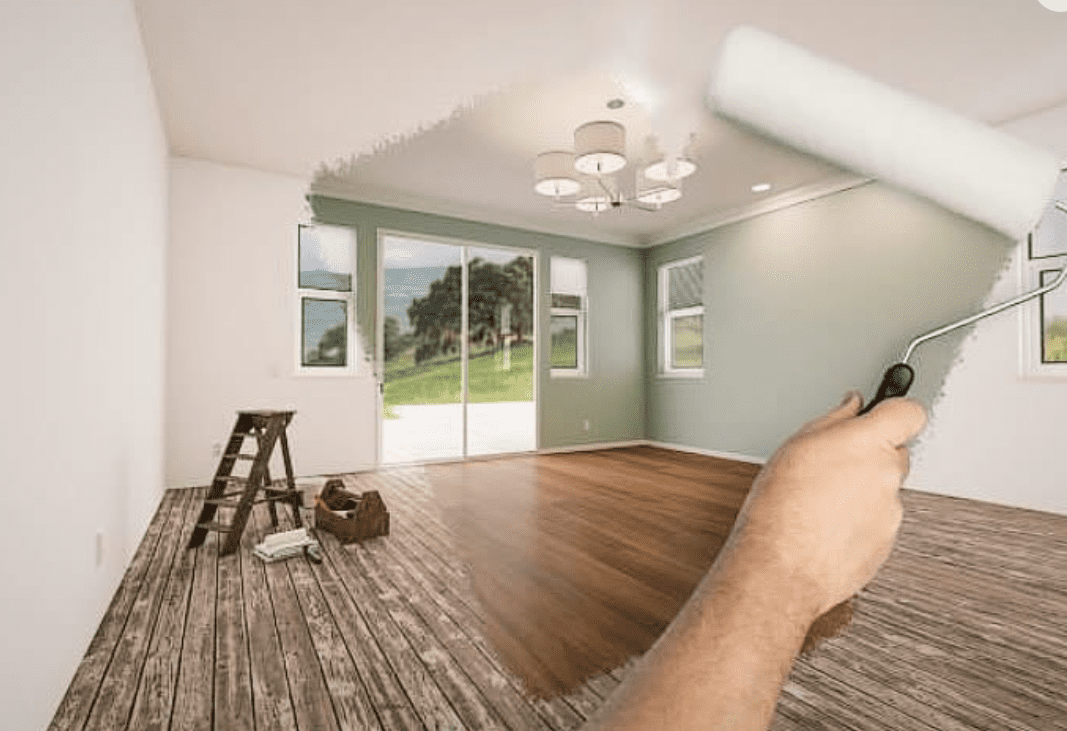
A room can feel larger before you move any furniture. Paint color changes how light moves through the room. It also guides your eye and affects how open each wall feels.
That’s why homeowners often look for paint colors that help a space look bigger when a room feels tight, dark, or boxed in. A smart color plan starts with the room itself.
Why Color Changes the Feel of a Room
Paint affects how your eye reads the edges of a room. A dark color can make walls feel closer, especially in rooms with limited natural light. A lighter color can help walls feel farther away because it reflects more light into the space.
Small rooms don’t need plain white paint to feel open. Soft neutrals can brighten the space without making it feel bare. Muted blues, pale greens, and warm off-whites can also add more style to the room.
The best color should respond to the room’s light first. It should also feel natural beside the flooring, trim, and furniture.
Start With the Light in the Room
Light changes paint color more than most homeowners expect. A color that looks crisp in a store can look dull in a shaded hallway. A warm white can turn yellow under certain bulbs, while a cool gray can look blue in a north-facing room.
Look at the room during the hours you use it most. A breakfast nook may need color that looks good in morning light. A living room may need a shade that stays warm and balanced at night.
Paint samples on more than one wall before you commit. Check each sample near a window and in a shadowed corner. It also helps to view the color beside trim and furniture.
Choose Light Neutrals With Warmth
Light neutrals often help small rooms feel more open. White and cream can quickly brighten a room. Greige, pale taupe, and soft beige can also reduce visual weight while adding warmth.
Bright white can work well in rooms with strong natural light. In darker rooms, though, bright white can look stark because it has less light to reflect. A warmer white or soft neutral often gives the space a cleaner and more comfortable feel.
Greige works well when you want a balanced color that doesn’t lean too yellow or too gray. Pale taupe can add depth without closing the room in. Cream often suits rooms with warm finishes, especially wood floors or warm tile.
Reduce Visual Breaks With Similar Colors
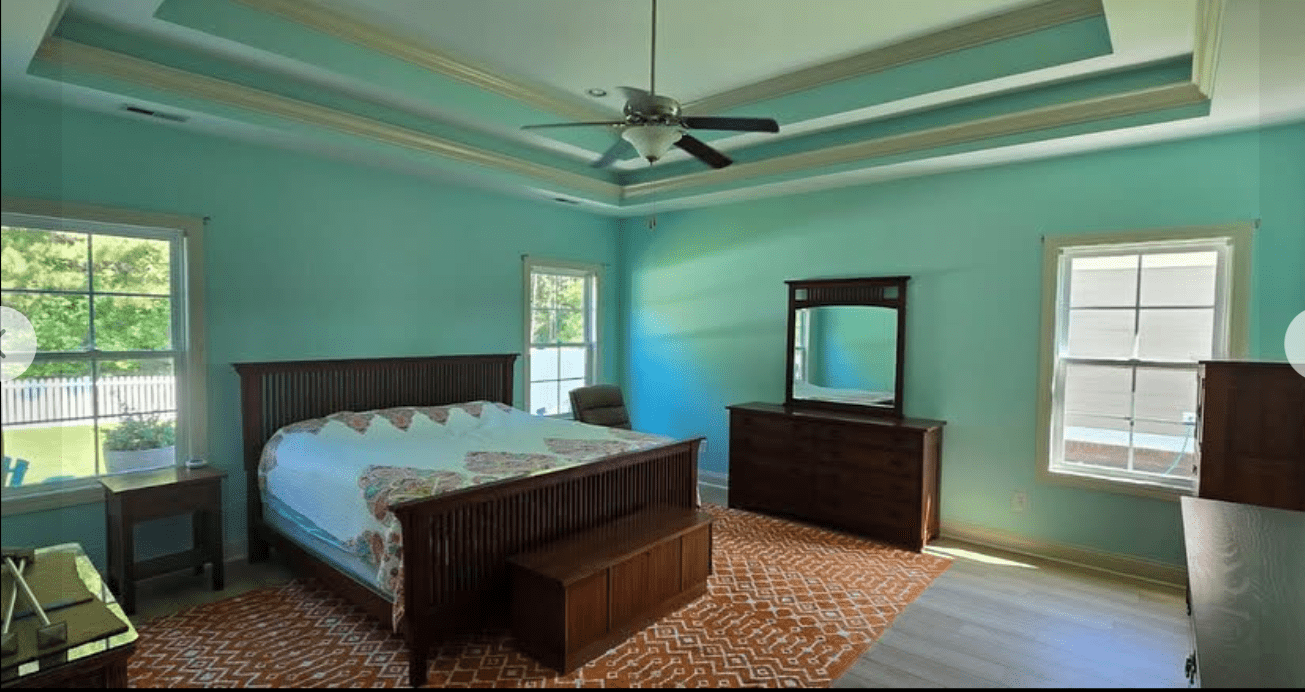
Strong contrast can make a small room feel choppy. When walls, trim, doors, and built-ins use very different colors, your eye stops at every edge. Those stops can make the room feel busier and smaller.
Use similar colors for a smoother look. You might paint the walls a soft neutral and use a slightly lighter shade on the trim. You can also use the same color on walls and trim with different sheens.
This works especially well in hallways and small bedrooms. Rooms with several doors can also feel calmer when the trim and walls stay close in color.
Lift the Ceiling With the Right Shade
Ceiling color can change how tall a room feels. A clean white ceiling can make a room feel brighter when the walls have a soft neutral shade. A lighter tint of the wall color can also create a smooth transition from wall to ceiling.
Low ceilings often need lighter colors. Dark ceiling colors can add drama, though they can also make the ceiling feel lower. If the room already feels tight, choose a ceiling color that opens up the space rather than drawing attention to the overhead.
Finish matters here too. Most ceilings look best with flat paint because it hides minor flaws and reduces glare. Sharp, clean lines where the ceiling meets the wall also help the room look polished.
Use Deeper Colors With Purpose
Deep paint colors don’t always make a room feel smaller. Navy, charcoal, forest green, or rich brown can add depth when you balance the shade with enough light. A dark accent wall at the far end of a narrow room can pull the eye forward and make the room feel longer.
Use deeper colors with care in rooms that lack natural light. A dark shade on every wall can make a small room feel heavy. Poor lighting or crowded furniture can make that effect stronger.
Lighter trim can help balance a deep wall color. Open floor space and simple decor can keep the room from feeling crowded. A professional painter can help you decide when a deeper shade will add depth and when it will close the room in. That kind of planning matters in interior house painting, especially when every wall changes how the room feels.
Match the Finish to the Space
Paint finish affects how light moves across the walls. Flat paint hides wall flaws, though it reflects less light. Eggshell and satin finishes add a soft glow.
These finishes often work well in busy rooms where the walls need a cleaner, brighter look. Semi-gloss can brighten trim and doors. It can also help built-ins stand out without changing the wall color.
On walls, too much shine can highlight dents, patches, or texture. For many smaller rooms, eggshell gives a clean balance. It offers a soft glow without making wall flaws stand out.
Try These Color Moves for a Larger Feel
Small color choices can make a room feel more spacious without a major redesign. Use paint to guide the eye through the room. The right color can soften sharp breaks and brighten surfaces.
Try these painter-approved ideas:
- Use warm whites in rooms with limited natural light.
- Choose soft neutrals for walls that connect to busy floors.
- Paint trim close to the wall color for a smoother look.
- Pick lighter ceiling colors when ceilings feel low.
- Sample colors beside flooring before choosing a final shade.
These choices help you avoid common paint problems before the project starts. They also help the finished room feel more balanced.
Consider the Room as a Whole
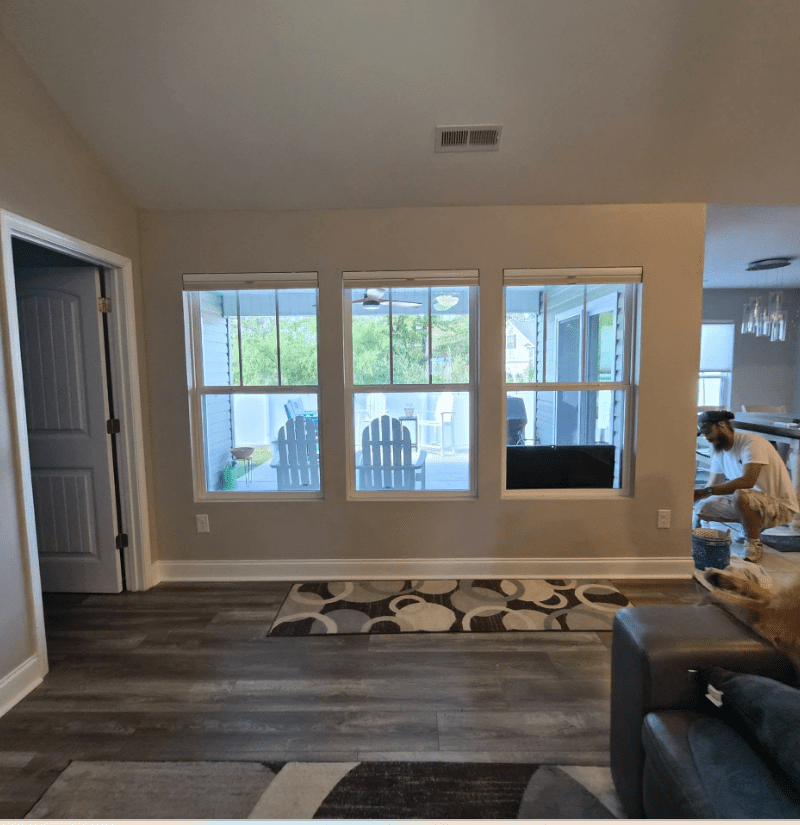
Paint doesn’t work alone. Flooring can change how a wall color reads, and fixed features like cabinets or counters can shift the undertone. A cool wall color can clash with warm wood floors. A beige paint can look muddy beside gray flooring.
Bring paint samples close to the finishes that already live in the room. Look at each sample beside the trim first. After that, compare it with tile, fabric, and other fixed finishes.
Not every surface needs a light color. A room feels more open when the color creates a sense of flow. When paint complements the room’s existing features, your eye moves through the space with fewer interruptions.
Plan a Room That Feels Open and Balanced
Choosing paint colors that help your space feel bigger takes more than picking the lightest shade on a fan deck. The right color should respond to the room’s light. It should work with the trim and feel natural beside nearby spaces.
A good color plan should make the room feel brighter without making it feel bare. It should support the finishes you already have and the way you use the space each day.
When you’re ready to repaint, PaintRx can help you choose colors that feel natural in your home and bring a clean, open finish to each room.