

A Complete Guide to Cleaning Your Painted Kitchen Cabinets
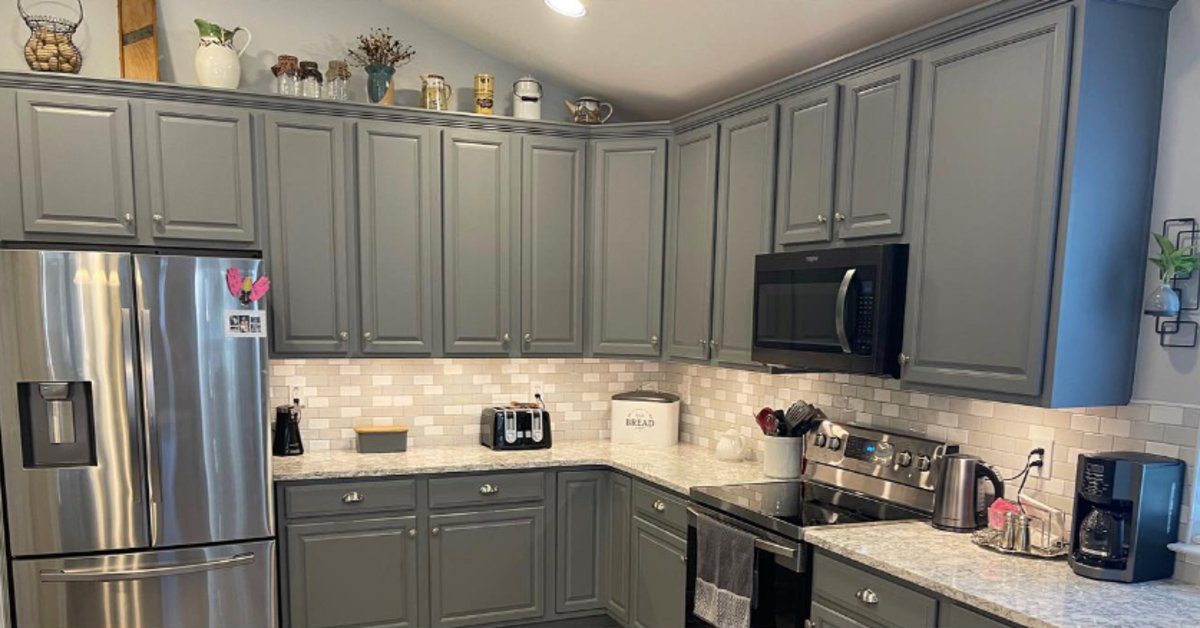
Kitchen cabinets see constant use. They collect fingerprints during busy mornings, light grease during dinner prep, and small spills that can dry before anyone notices.
Since cabinets take up so much space in the kitchen, even minor buildup can make the room feel less fresh. Painted finishes look their best when you clean them gently and often.
For homeowners looking for a complete guide to cleaning painted kitchen cabinets, a few simple habits can make everyday grime easier to manage. The right routine helps the finish stay smooth, clean, and polished without extra wear.
Why Painted Cabinets Need a Gentle Touch
Painted cabinets need different care than tile, stone, or stainless steel. Strong cleaners can dull the sheen or leave streaks across the surface.
Rough pads can scratch the paint, especially near handles and drawer pulls. Those spots collect the most buildup because hands touch them throughout the day.
A light cleaning routine protects the finish. It also keeps grease and fingerprints from settling into the paint over time.
Start With the Right Supplies
You don’t need a long list of products to clean painted cabinets. Warm water and mild dish soap work well for most everyday messes.
Use microfiber cloths because they lift residue without scratching the surface. Keep a dry towel nearby, too, since painted cabinet edges shouldn’t stay damp.
For a simple routine, gather:
- Mild dish soap
- Warm water
- Microfiber cloths
- A soft toothbrush
- A dry towel
- A small bowl or bucket
Skip abrasive powders, bleach-based sprays, ammonia, and heavy degreasers unless your cabinet painter or manufacturer recommends them. Strong products may clean quickly, but they can make the finish look worn sooner.
How To Clean Painted Cabinets Safely
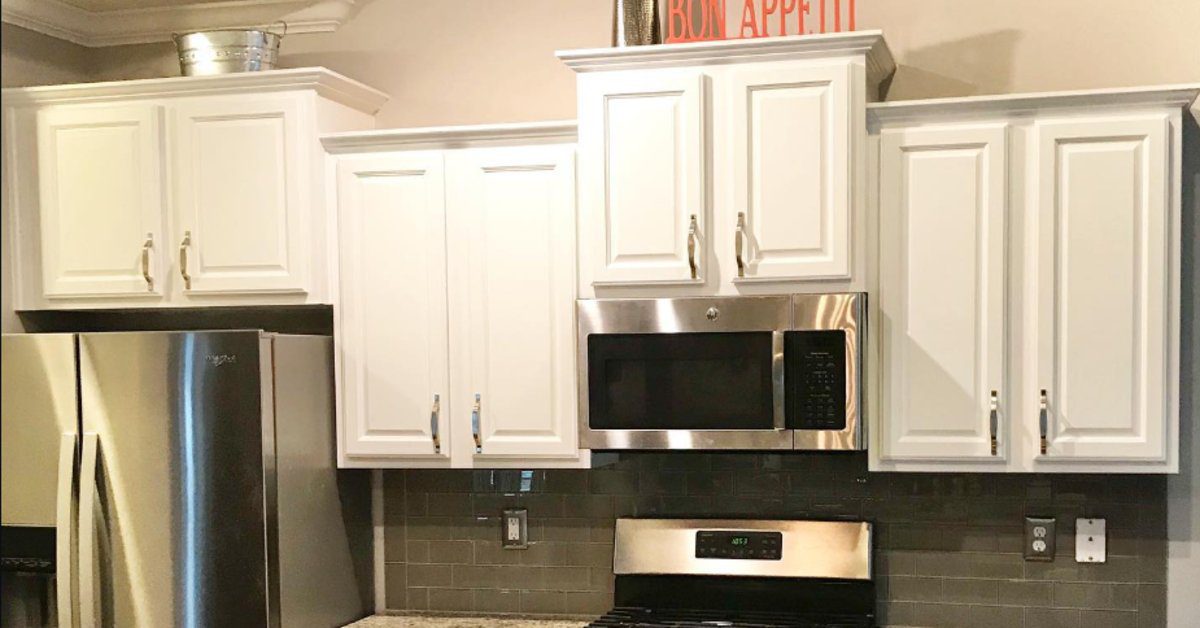
Add a few drops of mild dish soap to a small bowl of warm water. Dip a microfiber cloth into the mixture and wring it out well.
The cloth should feel damp, not wet. Too much water can settle into seams, trim, and cabinet edges.
Wipe one section at a time, working from the top of the door down. Use light pressure and give the soap a moment to loosen sticky spots.
After cleaning each section, wipe it again with a clean cloth dampened with plain water. This helps remove soap residue before it dries into a cloudy film.
Finish with a soft towel. Drying helps protect painted edges and small gaps where moisture can settle.
Pay Attention to Grease Near the Stove
Cabinets near the stove usually need extra care. Cooking oils can travel farther than expected, especially when frying or sautéing.
Over time, grease can leave the surface tacky. Dust may cling to it, which makes the cabinet look dull.
Hold a damp, soapy cloth against greasy spots for a few seconds before wiping. Let the soap soften the residue instead of scrubbing harder.
For grooves or trim details, use a soft toothbrush with a small amount of soapy water. Wipe the area clean with a damp cloth and dry it right away.
Clean Around Handles and Knobs
Hardware areas show buildup quickly. Cooking oil, lotion, and natural skin oils often leave darker marks around pulls and knobs.
On white, cream, or light gray cabinets, those marks can stand out fast. A quick weekly wipe can make a noticeable difference.
Use a microfiber cloth for most smudges. For tight spaces around hardware, use a soft toothbrush and a light touch.
If a pull feels loose, tighten it gently. Loose hardware can shift and rub against the paint, potentially causing small scratches over time.
Don’t Miss Frames, Edges, and Toe Kicks
Cabinet doors get most of the attention, but frames and edges collect residue too. Upper cabinet edges can catch steam and grease from cooking.
Base cabinets may pick up drips from food prep, dishwashing, and daily traffic. These areas can make the kitchen look worn when buildup collects.
Wipe frames whenever you clean the doors. Pay attention to corners, panel seams, and narrow edges where fingers often land.
Toe kicks deserve a quick pass as well. Dust, shoes, pet hair, and kitchen debris can leave them looking dull.
How Often Should You Clean Painted Cabinets?
Most kitchens benefit from a light wipe-down of the cabinets once a week. Areas near the stove, sink, trash pull-out, and snack drawers may need more frequent attention.
A deeper clean once a month helps remove grease, fingerprints, and buildup from spots people often miss. You don’t need to tackle the whole kitchen at once.
Clean the upper cabinets one day and the lower cabinets another day if that feels easier. A steady routine keeps the job manageable.
If you cook often, wipe cabinets near the range after meals that create steam or oil splatter. This small step helps prevent sticky buildup.
What To Avoid When Cleaning Painted Cabinets
Some cleaning habits can damage painted cabinets even when the surface looks fine at first. The finish may lose its sheen, show dull patches, or wear unevenly.
Avoid these common mistakes:
- Scrubbing with rough pads
- Using magic erasers on visible painted areas
- Spraying cleaner directly onto cabinet doors
- Letting water sit on seams
- Using bleach or ammonia
- Skipping the drying step
Apply cleaner to the cloth first, rather than spraying the cabinet doors directly. This gives you better control over moisture.
Magic erasers can cause trouble, too. They may remove marks, but they work like a fine abrasive and can dull painted surfaces.
When Cleaning Won’t Fix the Finish
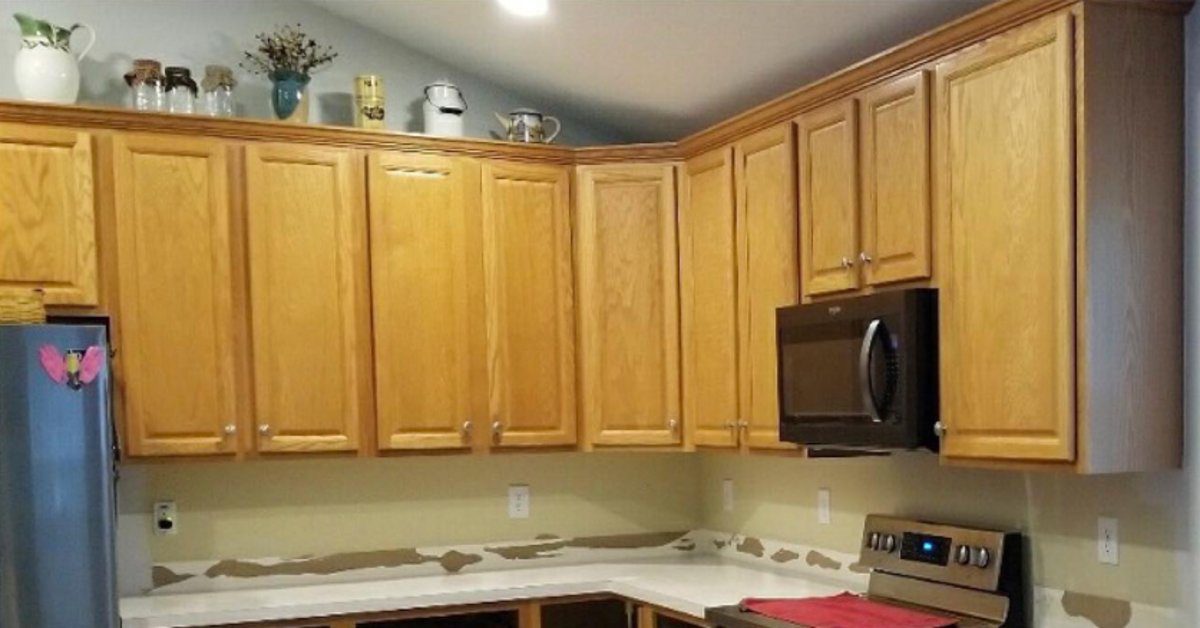
Cleaning can eliminate dirt, grease, and fingerprints, but it can’t fix chips, peeling paint, deep stains, or worn edges. If some areas remain dull despite gentle cleaning, the finish might have worn out, making repainting a better option than another deep clean.
PaintRx helps homeowners revitalize worn cabinet surfaces with professional cabinet painting, giving their kitchen a cleaner, more modern appearance.
Proper preparation, smooth application, and the correct coating are essential when the existing finish no longer responds well to standard cleaning.
Keep Painted Cabinets Looking Clean Longer
A few everyday habits can stretch the time between deeper cleanings. Wipe spills as soon as you notice them, especially near the sink, stove, and coffee area.
Use cabinet hardware instead of pulling doors open from the painted edges. This helps reduce fingerprints and protects high-touch spots.
Run the kitchen vent while cooking, especially when oil, steam, or high heat is involved. Less airborne grease means less residue on cabinet doors.
With the right cleaning method for painted kitchen cabinets, you can keep the finish looking smooth, well cared for, and welcoming. A steady routine protects the paint and keeps your kitchen feeling fresh.