

The Dos and Don’ts of Choosing Ceiling Paint Colors
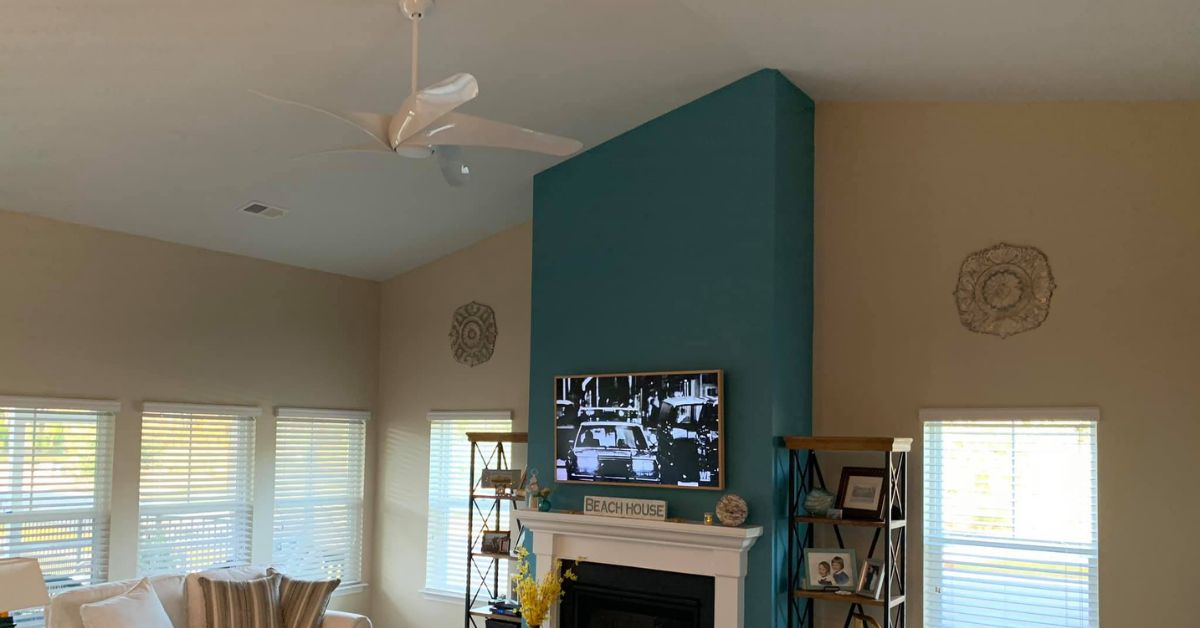
Ceilings shape how a room feels, yet many homeowners treat them as an afterthought. Color choices above eye level influence light, depth, and overall balance. A well-planned ceiling creates cohesion, while a poor choice disrupts the entire space. That’s why understanding the dos and don’ts of choosing ceiling paint colors matters before starting any interior project.
Homeowners across South Carolina look for clean, polished finishes that align with their style and investment goals. Paint Rx approaches each project with precision and a focus on long-term results, helping homeowners make confident decisions. The ceiling plays a direct role in that outcome, especially when paired with wall color, trim, and lighting.
The following guidance outlines practical strategies to help you avoid common mistakes and create a cohesive, well-balanced interior.
Do Consider the Room’s Natural and Artificial Light
Light affects how color appears on a ceiling, making it one of the first factors to evaluate. Rooms with strong natural light highlight undertones, while dim spaces soften them and reduce contrast.
South-facing rooms handle cooler whites and subtle grays with ease because consistent light keeps the space bright throughout the day. North-facing rooms benefit from warmer tones that prevent a flat or dull appearance. Artificial lighting also shifts perception, especially in the evening when warmer bulbs can change how whites and neutrals appear.
A ceiling color should support the room at all times of day. Testing samples under both daylight and evening lighting provides a clearer understanding of how the color will perform in real conditions.
Don’t Default to Bright White Without a Plan
Bright white ceilings work in many homes, yet they do not suit every space or color palette. A stark white ceiling can feel harsh when paired with warmer wall tones or softer finishes.
Instead, select a white with a complementary undertone that blends with surrounding colors. Soft whites, creamy shades, or muted grays create a more natural transition between surfaces.
A ceiling should feel connected to the rest of the room rather than standing apart. When the tone feels consistent, the entire space looks more intentional and visually balanced.
Do Use Ceiling Color to Influence Room Height
Ceiling color plays a major role in how a room’s proportions feel. Lighter colors create the illusion of height, while darker tones visually lower the ceiling and make the space feel more contained.
In rooms with lower ceilings, lighter shades help open the space and reduce any sense of compression. In contrast, rooms with higher ceilings look better with darker shades that introduce warmth and help balance the scale.
This method enables you to influence the room’s atmosphere without making physical alterations. Using color as a nuanced tool can enhance comfort and proportion.

Don’t Ignore Undertones in Paint Selection
Undertones determine how colors interact with one another. Even neutral shades carry hints of blue, yellow, or gray, which can shift how the ceiling looks next to the walls.
A ceiling with cool undertones can clash with warm wall colors, creating a disconnect that feels off even when each color looks appealing on its own. This mismatch often becomes more noticeable once the paint fully dries.
Compare ceiling samples directly against wall colors and trim before making a final decision. Viewing them together reveals whether the tones work in harmony or compete for attention.
Do Coordinate With Trim and Wall Colors
Ceiling color should relate to both the walls and trim to create a cohesive palette. A smooth visual flow helps each element feel connected rather than separate.
Many homeowners select a ceiling color that sits one or two shades lighter than the wall color. This approach softens contrast while maintaining enough variation to define each surface.
Trim color also influences how the ceiling reads. When trim and ceiling tones align, the room feels more polished and complete. Knowing the dos and don’ts of choosing ceiling paint colors helps align every element of the room.
Don’t Overlook Finish and Sheen
Paint finish affects how light interacts with the ceiling and how imperfections appear. Flat finishes reduce glare and create a uniform surface, which works well for most ceilings.
Higher sheens reflect more light and draw attention to flaws such as uneven texture or patchwork repairs. That added reflection can distract from the room’s overall design.
Quick Guide to Ceiling Paint Finishes
- Flat: hides surface imperfections and reduces glare
- Matte: adds slight durability while maintaining a soft look
- Eggshell or higher: increases reflection and highlights flaws
Selecting the right finish supports both appearance and long-term performance.
Do Use Subtle Color for Visual Interest
Ceilings do not need bold color to make an impact. Subtle shifts in tone can add depth while keeping the space calm and balanced.
Soft blues, muted grays, and warm off-whites introduce visual interest without competing with walls or furnishings. These tones work well in bedrooms, living areas, and open spaces where consistency matters.
A slight color variation adds dimension and keeps the ceiling from fading into the background without drawing unnecessary attention.
Don’t Use Dark Colors Without Considering the Space
Dark ceiling colors create a strong visual statement, yet they require careful planning. In smaller rooms, they can make the space feel enclosed and reduce the sense of openness.
In larger rooms or areas with higher ceilings, darker tones can add warmth and create a more comfortable scale. Pairing a darker ceiling with lighter walls maintains balance and prevents the room from feeling heavy.
The success of darker tones depends on proportion, lighting, and surrounding colors. Each factor should support the overall design rather than compete with it.
Do Test Samples Before Finalizing
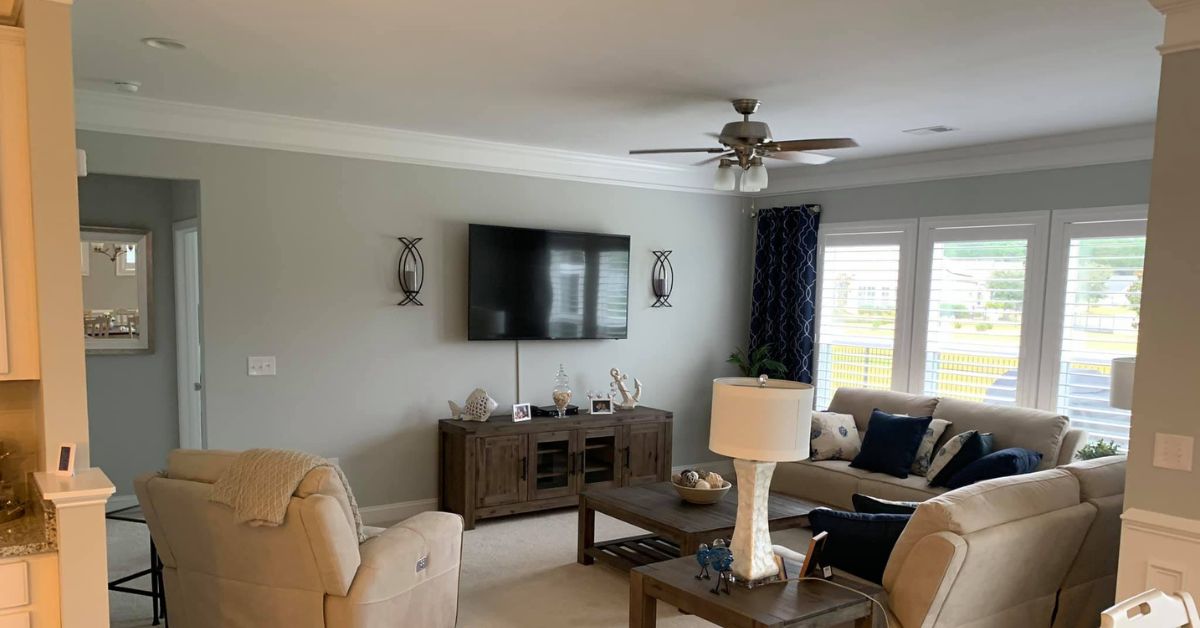
Paint samples provide clarity that small swatches cannot match. Applying test patches directly to the ceiling or a large board allows you to see the full effect of the color.
View the samples at different times of day to understand how lighting changes the tone. Notice how the ceiling interacts with walls, trim, and flooring under both natural and artificial light.
Testing reduces uncertainty and helps you move forward with a clear, confident decision. It also prevents the need for adjustments after the project begins.
Don’t Treat the Ceiling as an Afterthought
A ceiling finishes the room and serves a bigger purpose than many realize. Overlooking it leaves a gap in the overall design and diminishes the effect of other updates. Every surface matters in the final look, and the ceiling connects these elements. When selected thoughtfully, it enhances the entire space and helps achieve a unified finish.
Working with a professional interior home painter helps ensure color, finish, and application are aligned for consistent results. Skilled painters focus on preparation and precision, which supports a clean, lasting finish.
Create a Cohesive Look With Smart Ceiling Choices
Ceiling color decisions shape how a space feels from the moment someone walks in. Thoughtful planning, proper testing, and attention to detail lead to a balanced and polished result.
Paint Rx focuses on quality, communication, and consistent craftsmanship, helping homeowners achieve results that align with their vision. With the right approach, ceiling paint becomes a defining element rather than an overlooked surface.
When you follow these guidelines, each room gains clarity, depth, and a polished finish that enhances your home’s overall design. Ready to update your space with confidence? Contact the Paint Rx team today to schedule your consultation and achieve a professional, refined look in every ceiling of your home.