

How To Protect Your Home’s Exterior Paint Against Sun Fade
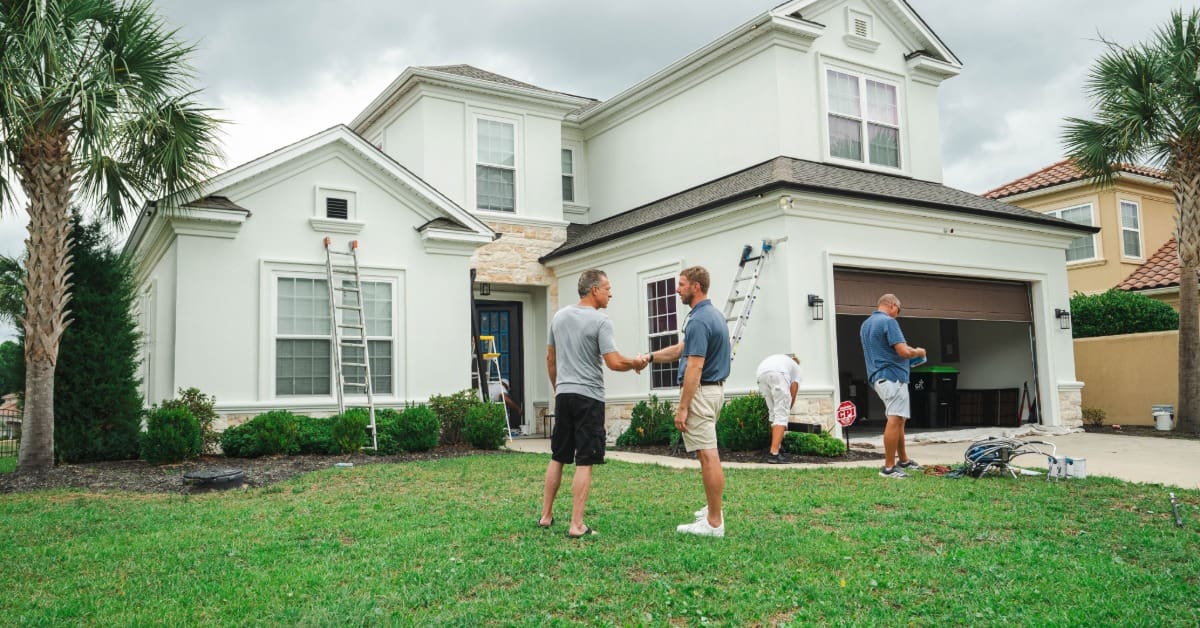
A fresh exterior color can give your home a cleaner, more polished look from the curb. Years of direct sunlight can gradually soften that color, especially across parts of the house that spend hours in the sun. Protecting exterior paint from sun fade starts with choosing a coating made for outdoor exposure and considering how much sunlight reaches each side of your home.
Some color change comes naturally as exterior paint ages. Still, thoughtful decisions before painting and occasional care afterward can help the finish hold its appearance longer.
Understand What Sunlight Does to Exterior Paint
Exterior paint spends years exposed to ultraviolet rays. Over time, UV exposure affects the pigments responsible for the paint’s color, leaving a once-rich shade looking lighter or less vibrant.
You may notice the difference sooner on one side of the house. A wall that receives strong afternoon sun faces far more exposure than an area shaded by an overhang, which explains why an exterior doesn’t always fade at the same rate.
Fading can also appear alongside chalking. As an exterior coating ages, a powdery residue may develop on its surface, giving the original color a washed-out appearance. Recognizing what you’re seeing makes it easier to decide what kind of care the exterior needs.
Choose Exterior Paint With Color Retention in Mind
Once you understand how sunlight affects color, the paint itself becomes an important part of the conversation. High-quality exterior acrylic latex paints generally offer better fade resistance than lower-quality alternatives because manufacturers formulate them for outdoor conditions.
Look beyond the color swatch when comparing products. Product information may explain how well a coating maintains its color after continued outdoor exposure. Your painter can also help narrow choices based on the surface you’re painting and how much sunlight it receives.
What Should You Look for in Exterior Paint?
For areas that receive plenty of direct sunlight, focus on a few product details:
- Choose a formula made for exterior surfaces.
- Check manufacturer information about color retention.
- Ask how your preferred shade performs in strong sunlight.
- Follow the recommended coverage rate for the product.
The coating also needs to suit the material underneath it. A paint that works well on one exterior surface may not provide the same performance on another, which makes product selection an important part of planning the project.
Consider Sun Exposure When Choosing a Color
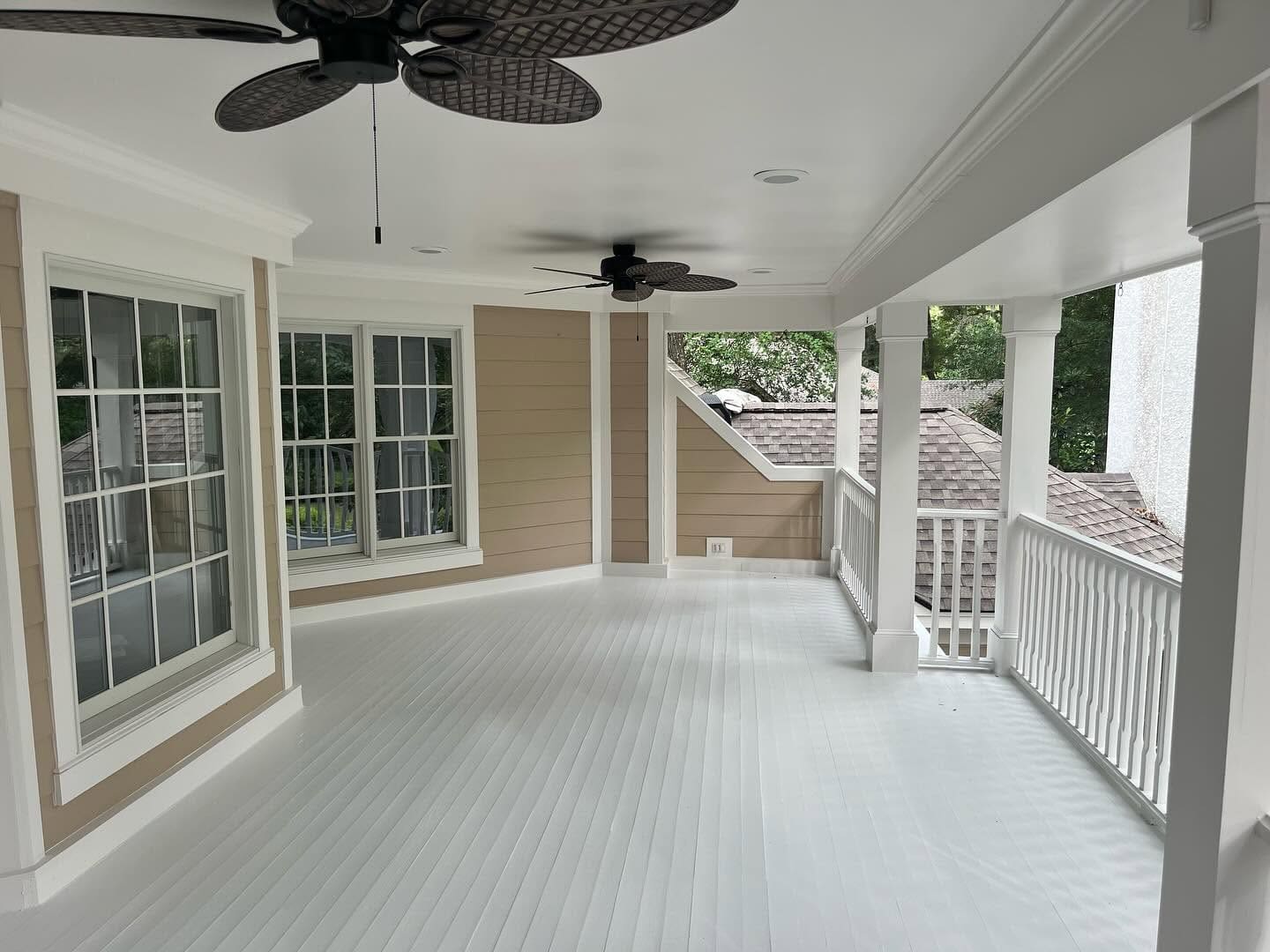
Product quality matters, but color deserves careful consideration too. The same shade won’t experience identical conditions on every home, and different sides of one house may receive very different amounts of sunlight.
Certain pigments hold their color outdoors better than others. Rich, saturated shades may show changes more noticeably over time, depending on the pigments and coating involved. Rather than ruling out a color you love, ask how that particular shade performs in the exterior product you plan to use.
Bring your color samples outside before making the final decision. Look at them on the side of the house you plan to paint, rather than judging them under indoor lighting. Morning shade can make a color look different than strong afternoon sun, giving you a clearer picture of how it will look on your home.
Give New Paint a Well-Prepared Surface
Once you settle on a product and color, the focus shifts to the surface itself. Even a fade-resistant coating needs a clean, sound foundation to perform as intended.
Preparation depends on the exterior’s condition. Cleaning may remove surface buildup, while areas with loose or failing paint may need further attention before painting begins. The manufacturer may also recommend specific preparation based on the coating and surface material.
When homeowners invest in exterior home painting, careful preparation supports the quality of the finished job. A stable surface helps the new coating bond properly and sets the stage for better outdoor performance.
Apply the Right Amount of Paint
Good preparation only goes so far if you don’t apply the paint properly. A thin coat may look fine when it first dries, but appearance alone won’t tell you if the product has enough coverage.
Exterior paints have recommended coverage rates that help painters achieve the intended film thickness. Trying to stretch the paint beyond the manufacturer’s recommendation can leave a thinner layer on the surface, which may affect how the coating performs as it ages.
Application conditions deserve attention, too. Exterior temperature and moisture levels can affect how a coating dries, making the manufacturer’s directions an important guide throughout the job.
Pay Attention to the Sunniest Sides of Your Home
After the paint has had time to age, the sunniest areas can tell you a great deal about how the finish is holding up. You don’t need to inspect every inch of siding year-round. Instead, pay closer attention to walls that spend long stretches in direct sunlight.
Compare those areas with sections under an overhang or another protected spot. If the exposed paint starts looking lighter while the sheltered color stays richer, prolonged sunlight may be causing the difference.
Checking these areas from time to time gives you a clearer sense of how the finish is aging. It can also help you notice when a faded section becomes noticeable enough that you want to plan for repainting.
Keep Painted Surfaces Clean
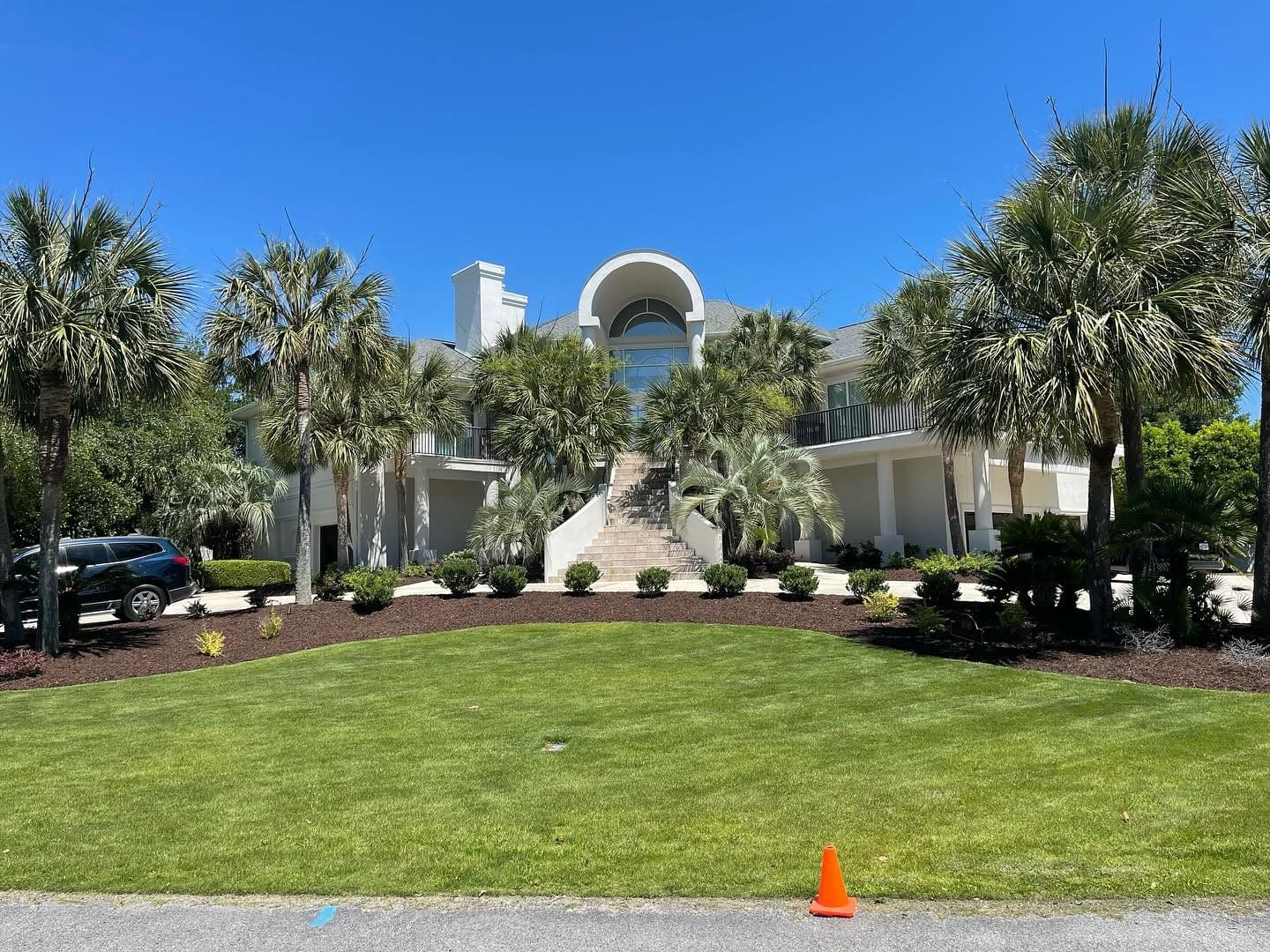
Before assuming a dull exterior has faded, take a closer look at the surface. Dirt and organic growth can change how the paint color appears from the ground, sometimes making a healthy coating look older than it is.
Clean painted surfaces according to the coating manufacturer’s recommendations, using methods that won’t wear down the finish. Once the surface dries, compare the color with nearby protected areas.
If the difference remains noticeable after cleaning, the color itself may have changed. That distinction can help you decide if the exterior needs routine care or a fresh coat of paint.
Know When Sun Fade Means It’s Time to Repaint
Gradual fading doesn’t automatically mean the coating has failed. Paint can remain firmly bonded to the surface even after the color loses some of its original depth.
Other changes point to different concerns. Peeling or blistering may require repairs and more extensive preparation before another coat, while a chalky surface may need proper cleaning before repainting.
When the existing coating remains sound and faded color is the main concern, repainting can restore a fresher appearance. A painter can evaluate the current finish first and determine what preparation the surface needs before work begins.
Help Your Exterior Color Hold Up Longer
Sun exposure comes with owning a home, but your paint choices can influence how gracefully the exterior ages. Reducing exterior paint fade from sunlight starts with choosing a quality coating suited to the surface and considering how your preferred color will perform outdoors.
Once the project is finished, watch the areas that get the most sun. Seeing how those sections change over time can help you plan future maintenance before fading becomes distracting from the curb.
When your home is ready for a refresh, Paint Rx can help you choose an exterior paint system that fits the surface and your color goals. Our in-house team serves homeowners in Myrtle Beach and Charleston with dependable service and careful attention throughout the painting process.