

How To Choose an Exterior Paint Color for Your Coastal Home

Living along the South Carolina coast brings a distinct sense of place. Morning light reflects off the water, salt air moves through open windows, and every home sits against a backdrop of sand, sky, and sea. Your exterior color becomes part of that setting, shaping how your home fits into the landscape and how it feels from the street.
That connection makes color selection more intentional. Selecting an exterior paint color for your coastal home involves more than curb appeal. Coastal weather, natural surroundings, and architectural details all influence what works and what lasts.
A well-chosen color complements the environment while standing up to sun, humidity, and salt exposure.
Understand What Coastal Conditions Do to Paint
Coastal homes sustain more wear than inland ones due to salt in the air, which accumulates on surfaces and damages paint, especially on siding and trim exposed to winds.
Wind-driven rain pushes moisture into tiny gaps, impairing paint adhesion and causing early peeling if surfaces are unprotected. Sunlight also causes fading and uneven wear; continuous UV exposure fades colors and affects different sides of the material at different rates.
Darker colors absorb heat, speeding deterioration, while lighter shades reflect sunlight and last longer. Humidity influences long-term performance; shaded areas tend to stay damp longer, promoting mildew growth.
Let the Surroundings Guide Your Color Choice
Your home exists within a natural setting. The beach, sky, and landscape form a color palette that should guide your choices. When a color complements its environment, the home appears more integrated and harmonious rather than isolated or distracting.
Spend time observing your surroundings at different times of day, paying attention to how colors change with the light and how your home interacts with nearby features such as sand, water, and greenery. Coastal regions tend to favor subdued, muted hues that blend with the landscape rather than clash with it.
Look around your property and take note of dominant tones:
- Soft beige from sand and dunes
- Blue-gray from the horizon and ocean
- Muted green from coastal plants
These colors suit exterior paint well. Pale gray with blue undertones echoes water, while warm off-white reflects shoreline tones without being stark. Avoid bold or saturated shades that clash with natural elements, as disconnected colors can harm curb appeal.
Match the Color to Your Home’s Architecture
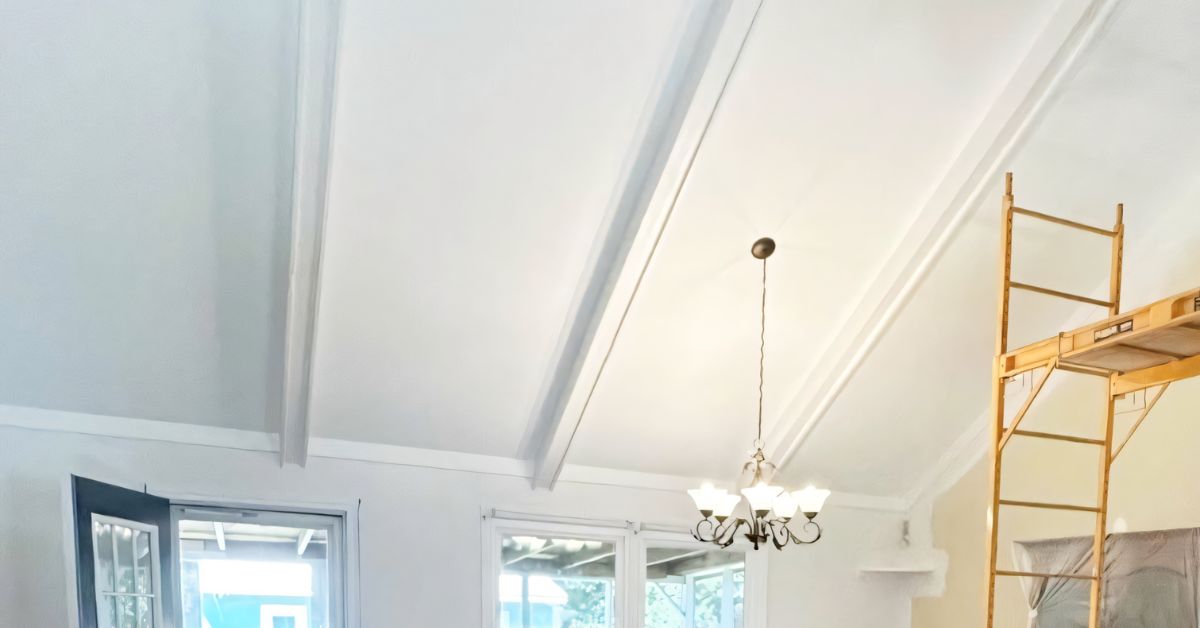
Your home’s structure should guide your color choices. Coastal homes range from traditional cottages with detailed trim to modern designs with simple lines, each suited to different approaches.
Traditional coastal homes work well with lighter, softer palettes that highlight architectural features without overshadowing them, such as white siding with subtle accents for a timeless look.
Modern homes allow for greater contrast, like white exteriors with darker trim, which support the design without detracting from it. Consider fixed elements like roofing, stonework, and hardscaping, as these anchor your palette and influence your color choices.
Evaluate Sunlight and How It Changes Color
Lighting affects paint appearance; colors may reveal undertones or shift when exposed to natural light. Sun exposure varies within a home: south- and west-facing areas receive more light, washing out lighter colors or fading darker ones; north-facing areas stay cooler, making colors seem deeper or muted.
Outdoors, undertones are more visible, with colors appearing different under shade or sun. Testing across surfaces helps predict these changes.
Choose Colors That Age Well in Coastal Settings
Fresh paint should last beyond the first season, but coastal exposure speeds wear, leading to fading, chalking, or discoloration. Selecting a shade that ages gracefully helps maintain curb appeal and reduces the need for repainting.
Choose colors that fade evenly and hide salt or moisture buildup. Coastal homes do well with tones that stay consistent after sun and humidity exposure, protecting your investment and keeping your home attractive.
Reliable choices include:
- Soft white for a clean, bright look
- Light gray for a balanced, low-maintenance option
- Muted blue for a coastal feel without overpowering the home
These colors maintain their appeal over time. Bold or highly saturated colors may lose their original appearance more quickly with constant exposure.
Use High-Quality Paint Built for Coastal Homes
The product you choose matters as much as the color. Coastal conditions require paints that withstand moisture, sun, and movement. Lower-quality products may look good initially but often fail sooner.
Professional-grade paint offers better coverage, durability, and surface protection, extending the lifespan of your paint job and reducing maintenance. Investing in quality is essential for long-lasting results.
Look for paints with:
- UV-resistant pigments that reduce fading
- Moisture resistance to help prevent peeling
- Mildew-resistant properties for humid conditions
- Strong adhesion for long-term coverage
Acrylic latex paints perform well in coastal environments because they handle temperature changes and resist moisture.
Keep Your Exterior Palette Simple
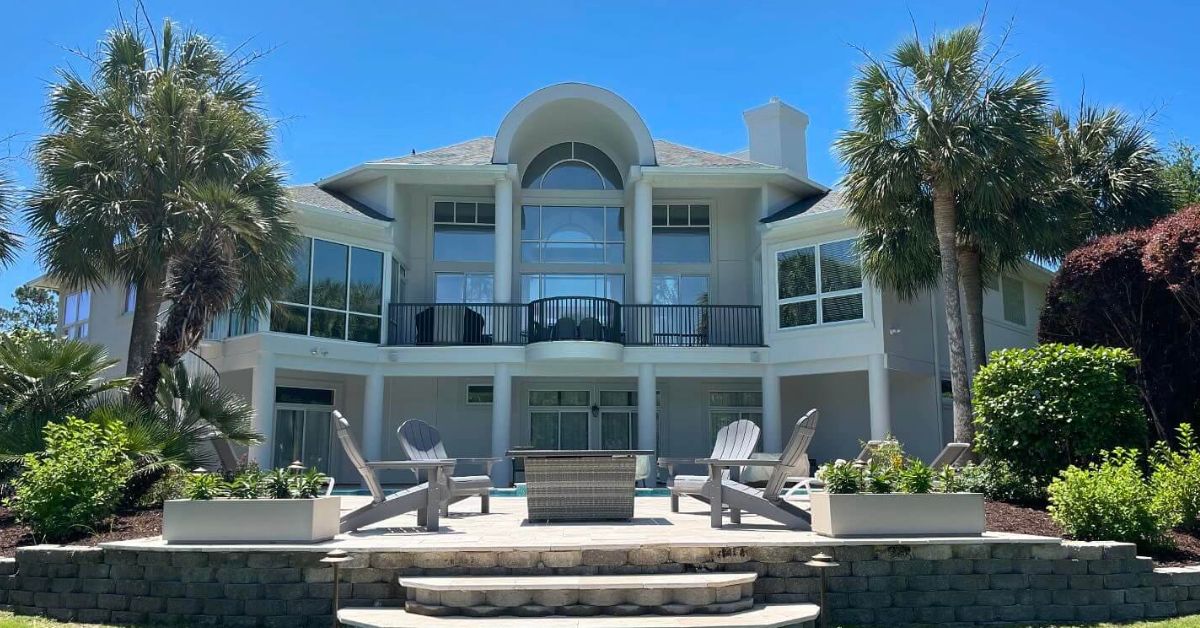
A well-balanced palette creates a clean, cohesive look. Too many colors can make your home feel busy and distract from architectural details.
Stick to three core elements: a primary body color, a trim color, and an accent color. This structure keeps the design organized while allowing for subtle contrast.
Coastal Color Combinations That Work Well
A well-planned color combination brings everything together. The goal is to create contrast that adds interest while keeping the overall look cohesive and easy on the eyes. Coastal homes benefit from balanced palettes that feel light and connected to the environment.
- Warm white body with navy shutters and soft gray trim
- Light beige body with crisp white trim and a muted blue door
- Pale gray body with charcoal accents and white trim
- Soft green body with sandy beige trim and natural wood accents
Each combination works with coastal surroundings while maintaining a refined appearance.
Test Your Colors Before Making a Final Decision
Testing gives you a clear picture of how a color will perform on your home. Paint chips and small samples often fail to show the full effect of a color across a larger surface.
Apply test patches on multiple sides of your home. Use at least two coats so you can see the true depth of the color. Allow the paint to dry fully before evaluating it.
Check the samples throughout the day. Morning, midday, and evening light all affect how the color appears. This step helps you move forward with confidence.
Check Local Guidelines Before You Paint
Many coastal communities have guidelines for exterior colors. Homeowners’ associations may require approval before you begin painting.
Review these requirements early in your planning process. They often promote cohesive color schemes that align with the character of the area. Following these guidelines still allows you to create a look that fits your home.
Work With Professionals Who Understand Coastal Homes
A successful project depends on proper preparation, product selection, and application. Coastal homes require a careful approach at every stage to handle exposure to salt, moisture, and sun.
Experienced professionals understand how these conditions affect paint performance. They know how to prepare surfaces and apply coatings that last.
When planning your next project, partner with professionals who specialize in exterior house painting and understand the demands of coastal environments.
Bring Your Coastal Vision Together
Your exterior color shapes how your home looks and how it performs over time. Selecting an exterior paint color for your coastal home means balancing style, durability, and surroundings.
If you want guidance tailored to your property, connect with Paint Rx. Their in-house team delivers consistent results, clear communication, and a professional experience from start to finish.
Reach out today and give your coastal home a finish designed to handle the elements and look great year after year.