

How To Know if Your Kitchen Cabinets Can Be Refinished
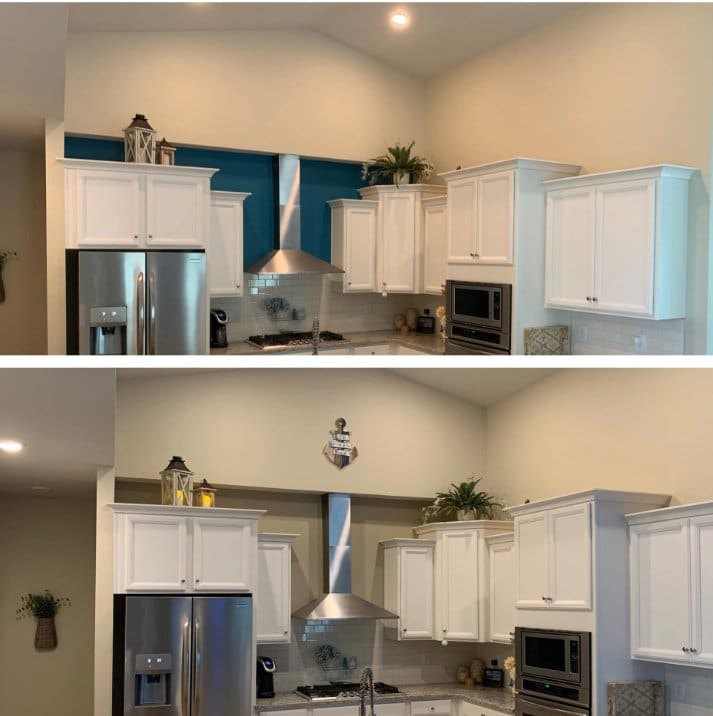
Kitchen cabinets have a strong visual presence, so an aging finish can make the whole room feel dated. Maybe the color no longer suits your style, or years of daily use have started to show around the doors and handles. Replacement may come to mind first, though many cabinets still have years of useful life beneath a worn finish. Knowing how to tell if your kitchen cabinets can be refinished can help you see their potential before committing to a larger renovation.
Refinishing works best when the cabinets remain sturdy beneath the surface. Before browsing paint colors, take a closer look at what you already have and how it has held up.
Start With the Cabinet Structure
Cabinets don’t need flawless surfaces to qualify for refinishing. Scratches and faded paint often affect appearance without compromising the cabinet underneath.
Open the doors and drawers as you normally would. Do they feel secure, or does something shift when you use them? Loose hinges or worn hardware may need attention, but those smaller repairs don’t necessarily make replacement the better choice.
Take a look inside the cabinet boxes, too. Pay particular attention to corners and areas where panels connect. If the boxes feel sturdy and maintain their shape, they may provide a solid foundation for refinishing.
Look Closely at the Cabinet Material
Material plays a large role in how a cabinet responds to preparation and paint. Solid wood often makes a good refinishing candidate because painters can prepare the existing surface for a new coating.
MDF can also work well when it remains dry and intact. Once MDF absorbs enough moisture to swell, however, restoring a smooth surface becomes more difficult. Veneered cabinets require careful inspection because sanding too aggressively can damage the thin wood layer.
Laminate presents different considerations. Some laminate cabinets can accept paint with the right preparation and compatible products, while damaged or lifting laminate may make refinishing less suitable. If you aren’t sure what your cabinets are made from, a professional assessment can clarify what the surface will allow.
Check for Water Damage
Kitchen cabinets regularly encounter moisture, especially near the sink or dishwasher. An occasional splash usually poses little concern. Ongoing leaks can cause deeper problems that paint won’t solve.
Start beneath the sink, where plumbing issues may go unnoticed for some time. Press gently along the cabinet floor and inspect the areas around pipes. A soft panel can point to moisture damage. Edges that have expanded or changed shape deserve attention too.
Surface discoloration doesn’t automatically rule out refinishing—the condition of the material underneath matters much more than how the cabinet looks at first glance.
Signs That Deserve a Closer Look
Before planning a refinishing project, check for problems such as:
- Doors that have warped out of shape
- Panels that feel soft after moisture exposure
- Material that has started peeling apart
- Deep cracks that interfere with normal use
Cosmetic wear and structural deterioration call for different solutions. If the damage stays near the surface, preparation may correct it. When the cabinet itself has weakened, repair or replacement may make more sense.
Consider the Current Finish
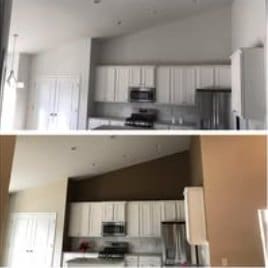
An older coating can look rough while the cabinet underneath remains perfectly usable. Peeling paint, worn edges, or stubborn discoloration may point toward preparation needs rather than replacement.
Kitchen grease can complicate the process. Residue often collects near handles and around cooking areas, where repeated contact leaves a film on the surface. Thorough cleaning gives the next steps a better starting point.
The previous paint job matters, too. If an earlier coating didn’t bond properly, new paint shouldn’t simply cover the problem. A kitchen cabinet painter can assess the existing finish, prepare the surface appropriately, and select products that suit the cabinet material.
Decide Whether the Layout Still Works
Refinishing can change a kitchen’s personality without changing its footprint. Before choosing it, ask yourself how you feel about the cabinets beyond their current color.
Maybe the storage already works well for your household. Perhaps the cabinet placement makes sense, but dark wood makes the kitchen feel heavier than you’d like. In situations like these, changing the finish can give familiar cabinetry a very different presence.
A new finish won’t create extra drawers or relocate an awkward cabinet. If the layout itself frustrates you every day, a larger renovation may better address what you want from the room.
Take a Closer Look at the Doors
Doors tend to reveal years of kitchen use first. Small chips near the handles or worn paint along an edge often fall within the type of cosmetic damage refinishing can address.
Check whether each door still holds its shape. Look closely at joints and corners for separation that goes deeper than the coating. A sturdy door with an unattractive finish may have far more refinishing potential than its appearance suggests.
Consider the door style from a design perspective too. Shaker doors, for example, can feel very different when their color changes. If you still like the profile, you may not need new cabinetry to move the kitchen in a fresher direction.
Consider Your Plans for the Home
Your plans for the property can also influence the decision. Homeowners preparing to sell may want a kitchen that feels current without taking on a full cabinet replacement project.
Refinishing sound cabinets can help an older finish coordinate better with the rest of the room. A dated wood tone might compete with newer countertops, while a carefully chosen painted finish can create a more cohesive impression.
If you plan to stay in the home, consider your own preferences first—a color you enjoy living with matters more than chasing a passing design trend.
Know What Refinishing Can Accomplish
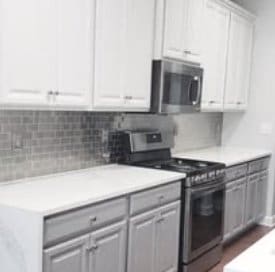
Refinishing focuses on the visible surfaces of cabinets that still have a useful foundation. It can update an outdated color and address ordinary surface wear. The result can change how the kitchen feels while preserving cabinetry that already functions well.
There are limits. Refinishing can’t correct severe water damage or solve a layout that no longer suits the room.
For many homeowners, knowing when kitchen cabinets can be successfully refinished starts with separating cosmetic concerns from problems within the cabinet itself. If the boxes remain sturdy and you still like the overall design, the existing cabinetry may have plenty of potential.
Get a Professional Opinion Before Making the Call
It’s common to see worn cabinets and think they’ve gone beyond repair, but a detailed look might reveal they can still be revitalized.
At Paint Rx, we work with homeowners in Myrtle Beach and Charleston who want a fresh kitchen look without replacing cabinetry that’s still functional. If you’re uncertain about the condition of your cabinets, a professional assessment can help determine if refinishing is the right choice for your home.