

Cabinet Refinishing vs. Replacement: A Practical Guide
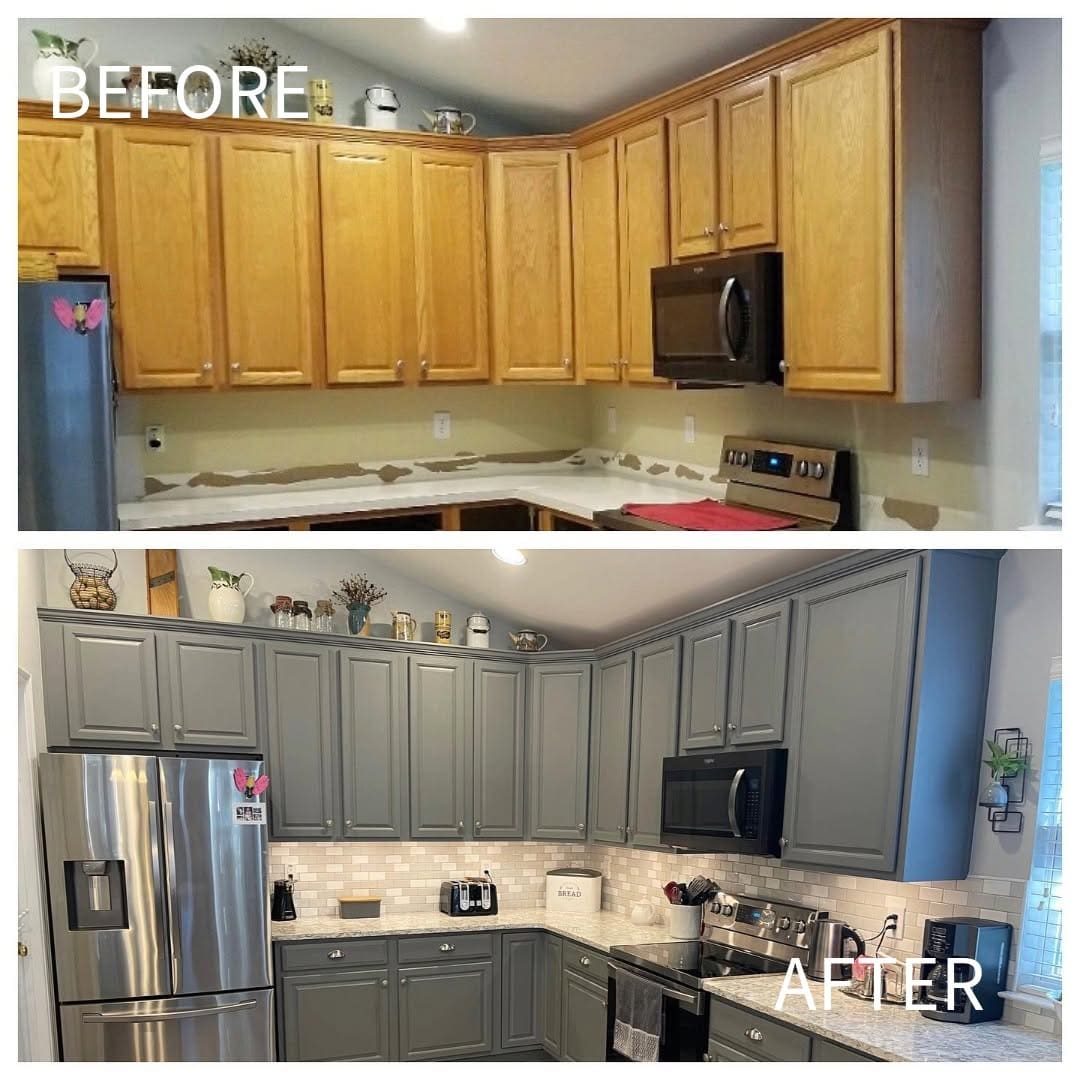
Kitchen cabinets influence the look of the whole room. They also affect how easily you move through everyday tasks. Once the finish starts wearing down or the style feels dated, you may wonder whether the cabinets need a fresh finish or a full replacement.
A closer look at cabinet refinishing versus replacement can make that decision easier. Each option serves a different purpose, and understanding how they differ will help you move forward with confidence.
Start With the Cabinet Boxes
Before choosing a color or looking at new door styles, inspect the cabinet boxes. Their condition often gives you the clearest answer.
Open each cabinet and look closely at the corners. Press lightly around the area beneath the sink, where moisture damage often starts. Shelves should feel firm, and the boxes should sit securely against the wall.
Surface scratches don’t always point to a larger problem. Faded stain and worn edges can make strong cabinets look older than they are. Those cosmetic issues often respond well to a professional finish.
Water damage tells a different story. Swollen panels may continue breaking down, especially when the underlying material has absorbed moisture. Severe warping also makes refinishing a poor investment because the finish can’t correct the underlying structural damage.
Understand What Refinishing Involves
Refinishing keeps the existing cabinet boxes in place. The visible surfaces are carefully prepared before the new coating is applied.
The process starts with a thorough cleaning to remove grease and buildup. The crew also repairs small imperfections that could show through the final finish. Careful sanding helps the coating bond properly.
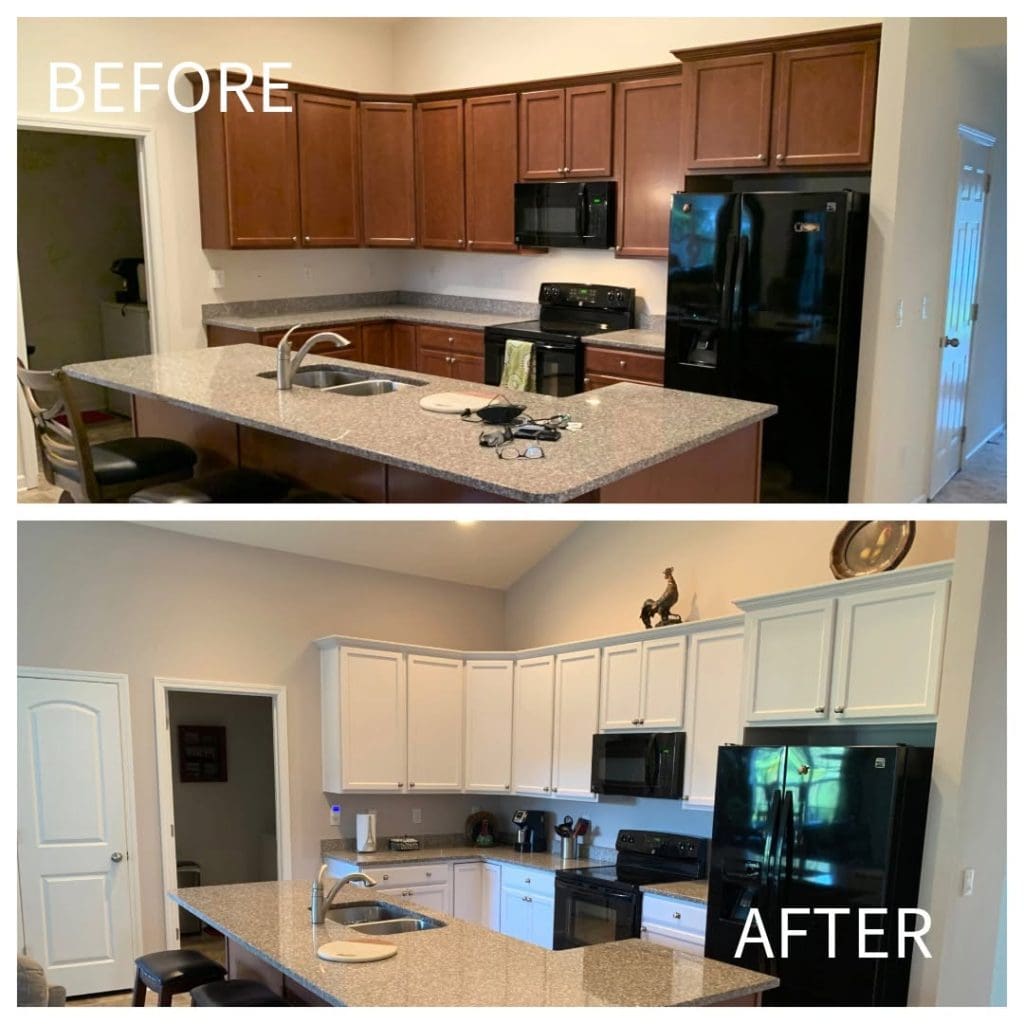
Professional cabinet refinishing works best when you already like the kitchen layout. It can brighten dark cabinets or update a stain that no longer suits the room. A new finish can also help older cabinets coordinate with recently updated counters.
The basic storage arrangement won’t change. Drawer sizes stay the same, and the cabinet locations remain fixed. Refinishing focuses on appearance rather than redesigning how the kitchen functions.
Know When Replacement Offers More Value
Replacement removes the current cabinet system and starts with new boxes. That wider scope gives you room to change how the kitchen works.
Perhaps the upper cabinets stop well below the ceiling and waste valuable storage space. You may have narrow drawers that no longer suit the way you cook. A poorly placed cabinet can also interrupt movement through the room.
New cabinets can solve those frustrations. You can adjust the dimensions and add storage to better match your routine. Replacement may also make sense when the current boxes have begun to pull apart.
The project often extends beyond the cabinets. Removing old boxes can affect the backsplash or expose unfinished flooring. Countertops may also need to be removed before installation begins. These details can increase the project cost and lengthen the schedule.
Compare the Costs in Context
Refinishing usually costs less because it preserves most of the existing kitchen. Labor still plays a major role in the quote. Cabinets with heavy buildup may need extra preparation, while damaged doors may require repair before finishing begins.
The number of cabinet fronts also affects the total. A large kitchen takes more time than a small layout, even when both sets of cabinets remain in similar condition.
Replacement includes the cost of the new cabinet system. You’ll also pay for removal and installation. Any related updates can raise the final total beyond the price of the cabinets alone.
A lower starting price shouldn’t guide the full decision. Refinishing weak cabinets can lead to another project sooner than expected. At the same time, replacing solid cabinets may cost more money without improving your daily experience.
Consider How the Project Affects Your Routine
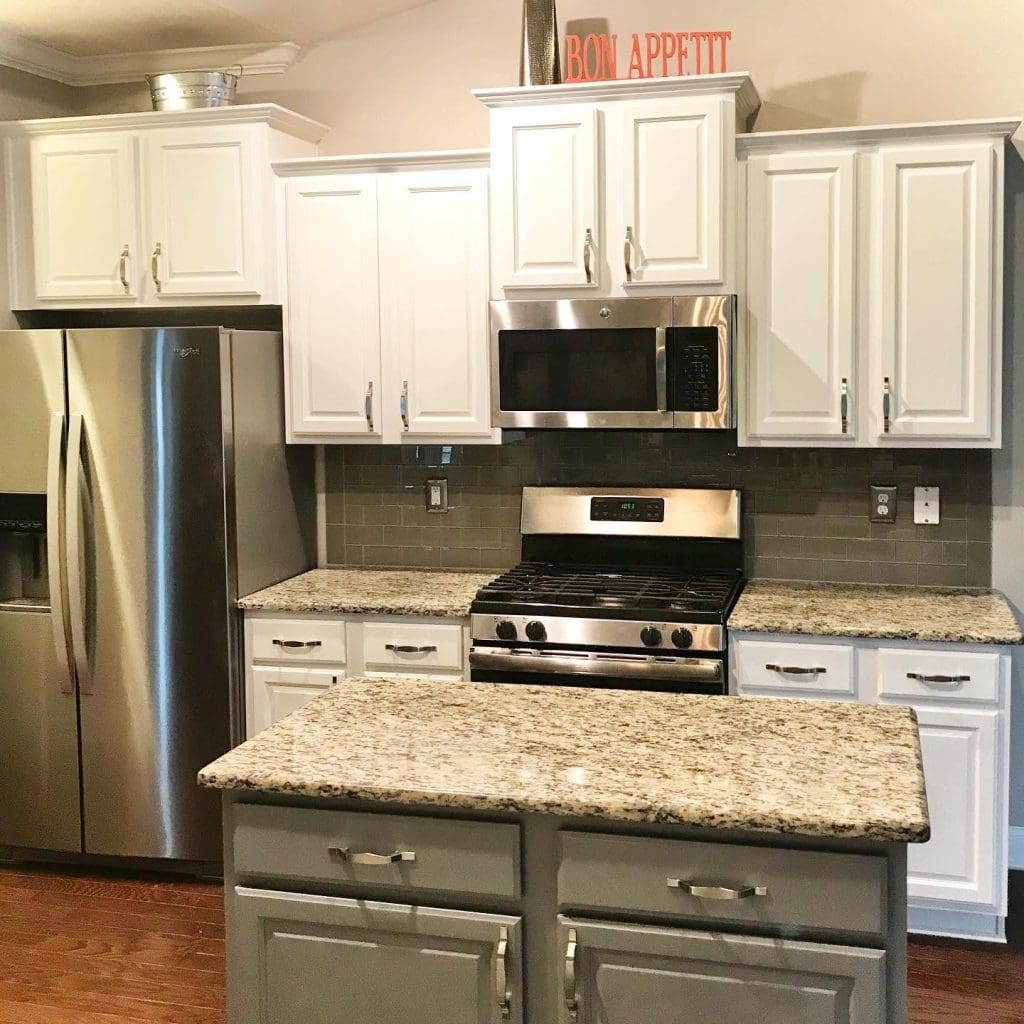
Refinishing causes disruption, though the kitchen usually stays more intact. Crews may remove the doors and drawer fronts for part of the process. The cabinet boxes remain in place while the on-site work continues.
You’ll need to empty the cabinets before work starts. Counter access may also stay limited while surfaces cure. Even with those temporary changes, the room often returns to normal faster than it would during replacement.
A full cabinet replacement creates a larger work area. Demolition comes first, followed by installation. Other trades may need access between those stages.
That schedule can stretch when the project includes new counters. Plumbing work may also affect when you can use the sink again. Households that rely heavily on the kitchen should plan for that interruption before choosing replacement.
Decide What You Want to Change
A dated color can make a functional kitchen feel tired. In that case, refinishing may provide the change you want without expanding the project.
Look at how the room feels during a normal day. Do the cabinets provide enough space? Can you reach the items you use most often? Does the layout support the way you cook?
If the room works well, a new finish may bring it back to life. When storage causes daily frustration, replacement deserves a closer look.
Refinishing May Suit Your Kitchen When:
- The cabinet boxes remain firm
- The current layout works for you
- Most damage affects the surface
- The doors still close correctly
- You want a new color
Replacement May Make More Sense When:
- Water has damaged the boxes
- The layout limits storage
- Shelves have started sagging
- Cabinet frames feel unstable
- You want a different arrangement
Pay Attention to the Cabinet Material
Cabinet material affects the finish options. Solid wood often responds well when the surface remains stable. Many wood veneers can also accept a new coating with the right preparation.
MDF needs a closer inspection, especially near sinks. Once the material swells, sanding won’t restore its original shape. Laminate can present similar limits when the surface starts peeling.
Thermofoil doors may look suitable at first glance, yet loose edges can continue lifting after the project. A professional inspection can reveal whether the surface offers a dependable base.
Product selection matters too. Cabinets are frequently handled, so the coating needs sufficient durability for everyday use. Standard wall paint doesn’t offer the same performance on doors that people touch throughout the day.
Make the Decision Around Your Kitchen
A useful comparison of refinishing cabinets with full replacement starts with the condition of what you already own. Strong cabinets may only need a carefully applied finish. Damaged boxes often require replacement, especially when the current layout falls short.
Your plans for the home can also shape the decision. Refinishing may suit a kitchen that needs a polished update before a sale. Replacement may bring better value when you expect to use a redesigned layout for many years.
Paint Rx can evaluate your cabinet surfaces and explain which option fits their condition. Contact our team to schedule an evaluation and plan a kitchen update that supports your home.