

Top Tips for Choosing the Perfect Shade of White Paint
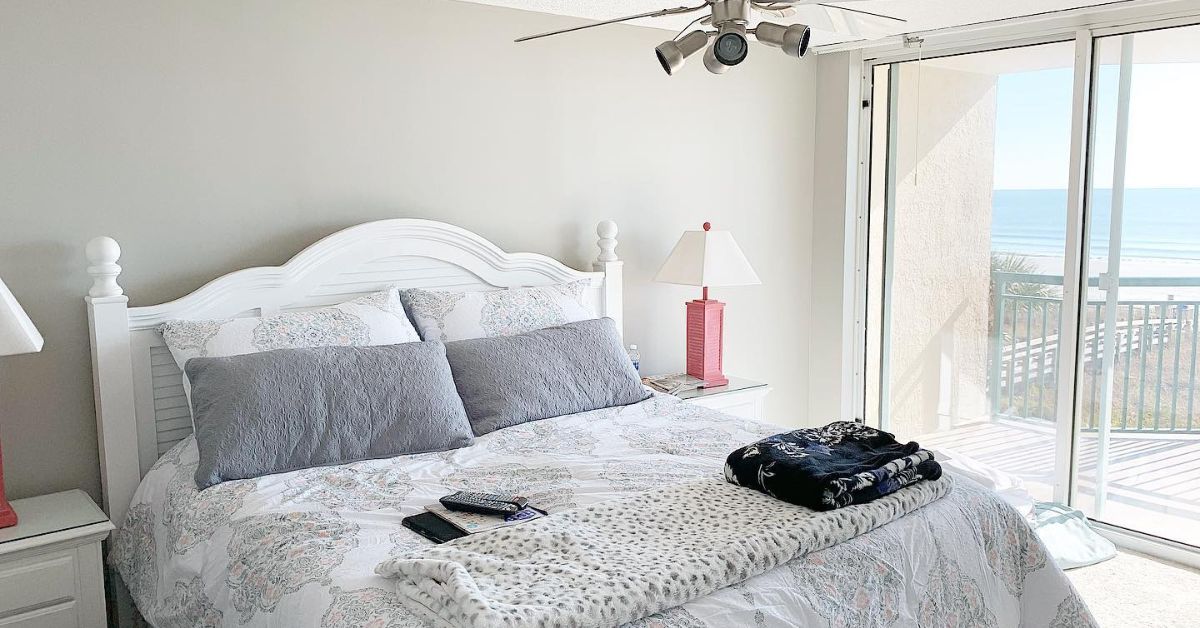
White paint looks simple at first glance. Once you stand in front of a wall of paint swatches, you quickly realize how complex it becomes. Warm whites, cool whites, creamy whites, and crisp architectural whites all compete for attention.
If you feel overwhelmed, you’re not alone. Choosing the perfect shade of white paint requires more than picking the brightest option on the display. You need to evaluate lighting, undertones, finishes, and how each surface interacts with the rest of your home.
Here are a few tips for picking the perfect color so you can move forward with confidence.
Why White Paint Looks Different on Every Wall
White paint always has an undertone, ranging from yellow or beige to hints of gray, blue, or green. These subtle hues shift significantly with lighting and nearby materials. Skipping this step can lead to choosing a white that clashes with your flooring, countertops, or trim.
To prevent color mismatches, hold paint swatches next to fixed elements such as tile, hardwood, cabinetry, and lighting sources to see how the undertone interacts with them. Surrounding materials can either emphasize or diminish the undertone, sometimes in unexpected ways. Comparing white paint against these fixed features helps achieve a cohesive appearance rather than a disjointed one.
Evaluate Natural and Artificial Lighting
Lighting shapes how white appears more than any other factor. South-facing rooms typically feel warmer and brighter. North-facing rooms often pull cooler and slightly muted.
Test samples on multiple walls and observe them throughout the day. Morning light can reveal one undertone, while evening light may highlight another. Overhead fixtures, lamps, and recessed lighting also influence the final look.
When clients struggle with choosing the perfect shade of white paint, lighting almost always plays a role. You must view your samples in real-world conditions before making a decision.
Decide Between Warm and Cool Whites
Warm whites create comfort and softness. They pair well with traditional interiors, wood flooring, and beige or earthy accents. Many homeowners choose warm whites for living rooms and bedrooms because they create an inviting atmosphere.
Cool whites feel crisp and modern. They complement contemporary designs, stainless steel, and cooler color palettes. Kitchens and bathrooms often benefit from cooler whites when homeowners want a clean, tailored finish.
Match your white temperature to your home’s overall style. Don’t force a cool white into a warm-toned space. The contrast will feel unintentional.
Consider Trim, Doors, and Ceiling Contrast
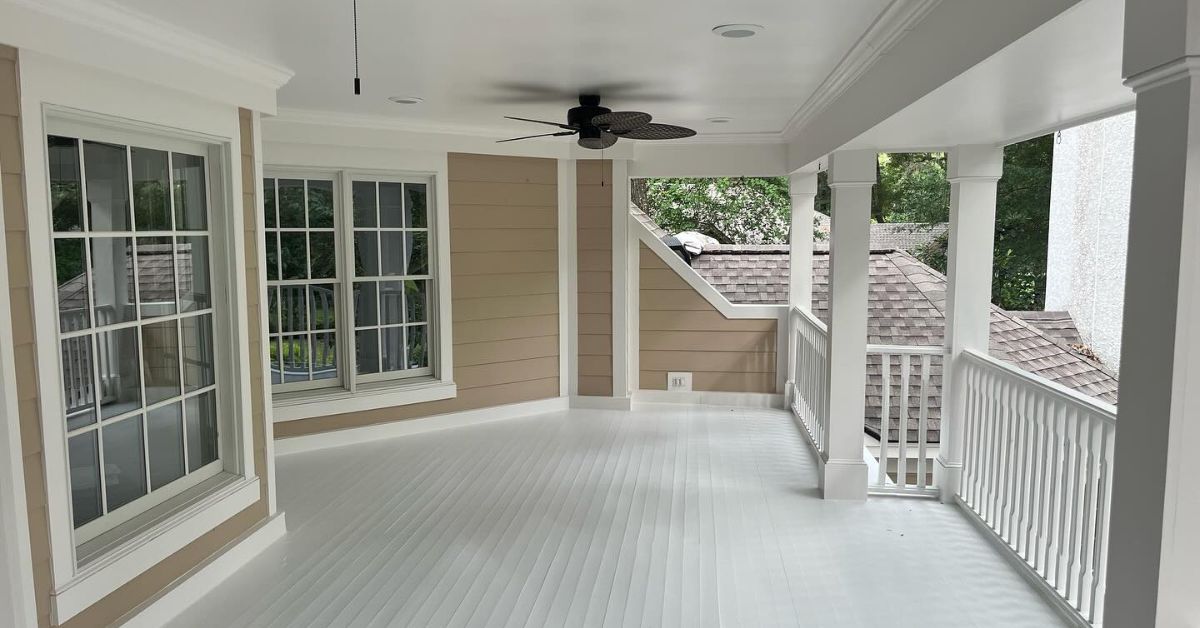
White walls rarely exist alone. Trim, doors, and ceilings add depth and dimension to the space. Decide whether you want a subtle shift or a noticeable contrast.
If you prefer a seamless look, select a slightly brighter white for trim. This approach keeps everything cohesive without creating harsh lines. If you want architectural detail to stand out, increase the contrast between wall and trim colors.
Keep ceilings in mind as well. A clean, bright white ceiling can lift the room and balance warmer wall tones.
Pay Attention to Sheen and Finish
The finish you select affects both durability and appearance. Flat finishes minimize imperfections but offer less washability. Eggshell and satin finishes provide durability while maintaining a soft appearance.
High-traffic areas require stronger finishes. Kitchens, bathrooms, and hallways benefit from paint that resists scuffs and cleans easily. When we guide homeowners through professional painting services, we always discuss sheen alongside color selection.
Color and finish work together. Don’t treat them as separate decisions.
Sample the Right Way Before You Commit
Paint large sample patches directly on your wall. Skip tiny brush-outs that fail to show the full effect. Use at least a two-foot square and test multiple areas within the room.
Live with the samples for several days. Observe how they respond to daylight, evening light, and artificial lighting. Watch how they interact with furniture and décor.
If you plan projects like accent walls or future updates, consider those plans during testing. White must support your long-term design goals.
Align White With Your Design Goals
Ask yourself what you want the room to feel like. Calm and cozy? Bright and energetic? Sophisticated and minimal?
White functions as both a backdrop and an emotional influence in design. A creamy white can mellow bold art pieces, while a bright white enhances natural textures like wood and stone. When planning upgrades such as cabinet painting, ensure your wall color complements your cabinetry finishes, as even minor undertone clashes become apparent when adjacent surfaces.
By approaching white strategically, it transforms from a mere default into a versatile and impactful design element.
Avoid Common Mistakes When Choosing White
Many homeowners rush the decision because white seems safe. In reality, white demands careful evaluation. Even small undertone shifts can change the entire mood of a room. If you treat white like a default option instead of a design choice, you risk creating a space that feels off-balance. Avoid these common missteps:
- Choosing the brightest white without testing undertones
- Ignoring how flooring influences wall color
- Skipping large-scale sample testing
- Overlooking sheen differences
- Selecting trim and wall whites that clash
You can prevent frustration by slowing down and reviewing each factor carefully.
Work With Professionals Who Understand White
White exposes imperfections more than deeper colors. Preparation, surface repair, and clean application matter even more when you choose lighter tones.
At Paint Rx, our in-house team handles every project with attention to detail. We don’t rely on subcontractors. We maintain consistent craftsmanship from preparation through final walkthrough.
Homeowners across Myrtle Beach and Charleston trust us because we focus on quality and clear communication. We help you narrow down options, test samples correctly, and apply the finish with precision.

Choosing White Paint With Confidence
White paint can dramatically change a space when chosen deliberately. It’s important to assess undertones, lighting, contrast, finish, and nearby materials before finalizing your choice. With a thoughtful approach to selecting the ideal white shade, you can prevent expensive repainting and avoid design regrets. This way, you establish a versatile backdrop that enhances your home for years to come.
If you want expert guidance and flawless results, connect with Paint Rx today. Our team delivers professional painting services that elevate your space with precision and care. Ready to upgrade your interior or invest in cabinet painting that complements your new white walls? Schedule your consultation and let’s bring your vision to life.