

Everything You Need To Know About Washable Paint
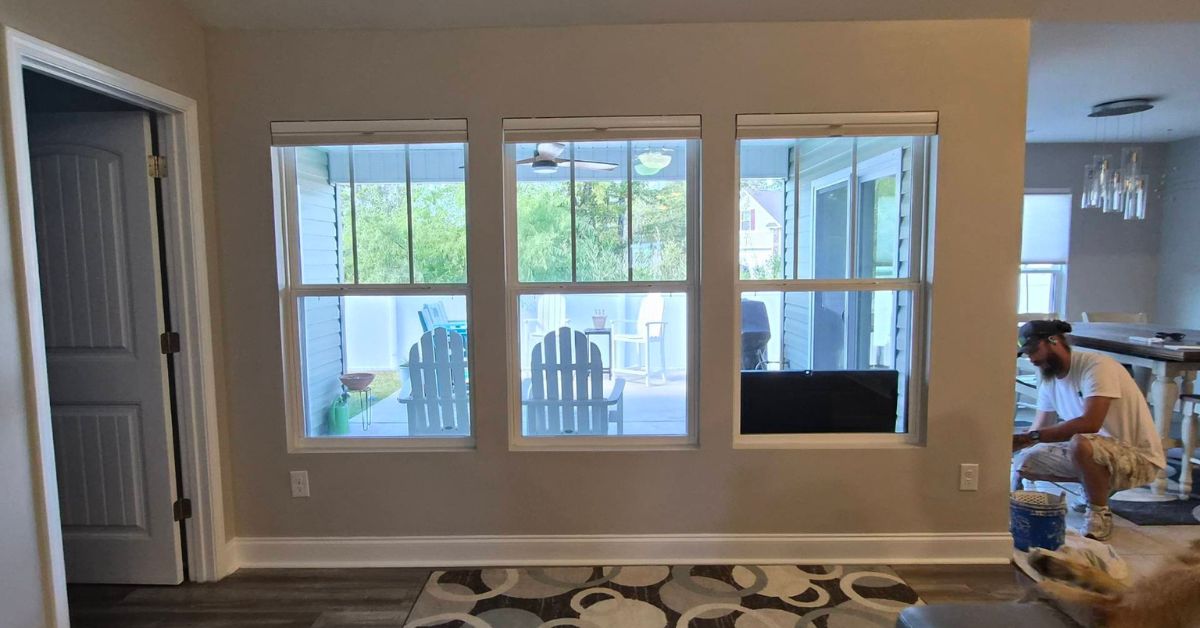
Life happens. Muddy paws race down the hallway, spaghetti sauce splatters near the stove, and fingerprints appear mysteriously on freshly painted walls. You cannot stop the chaos, but you can prepare your home to handle it. Choosing the right paint finish saves you from constant touch-ups and keeps your home looking fresh for years.
To help you choose the best paint for your project, here is a guide to everything you need to know about washable paint. We’ll cover everything from sheen and durability to the best places for specific products. We also break down the science of scrub resistance, the best finishes for high-traffic areas, and how to keep your walls clean without ruining the color.
Understanding Paint Durability
Not all paints are created equal for cleaning. Some fade with a simple wipe, while others can handle harsh scrubbing. Paint durability is tested using methods such as ASTM D2486, which measures the number of scrub cycles a surface can withstand before it wears through.
Look for terms like “scrubbable” (resists tough cleaning with brushes or sponges) or “washable” (handles light cleaning with a cloth). Knowing the difference can prevent damage to your walls!
Resin Quality Matters
The binder, or resin, acts as the adhesive that holds pigment particles together. High-quality resins create a tighter film upon drying. This tight film prevents stains from penetrating the surface. Cheaper paints often contain more filler and less resin, leaving microscopic gaps where dirt and grease settle.
Acrylic latex paints generally offer superior washability compared to vinyl options. The acrylic polymers form a flexible, rigid shield that resists cracking and peeling during cleaning. When selecting your paint, look for 100% acrylic formulas for the best long-term performance.
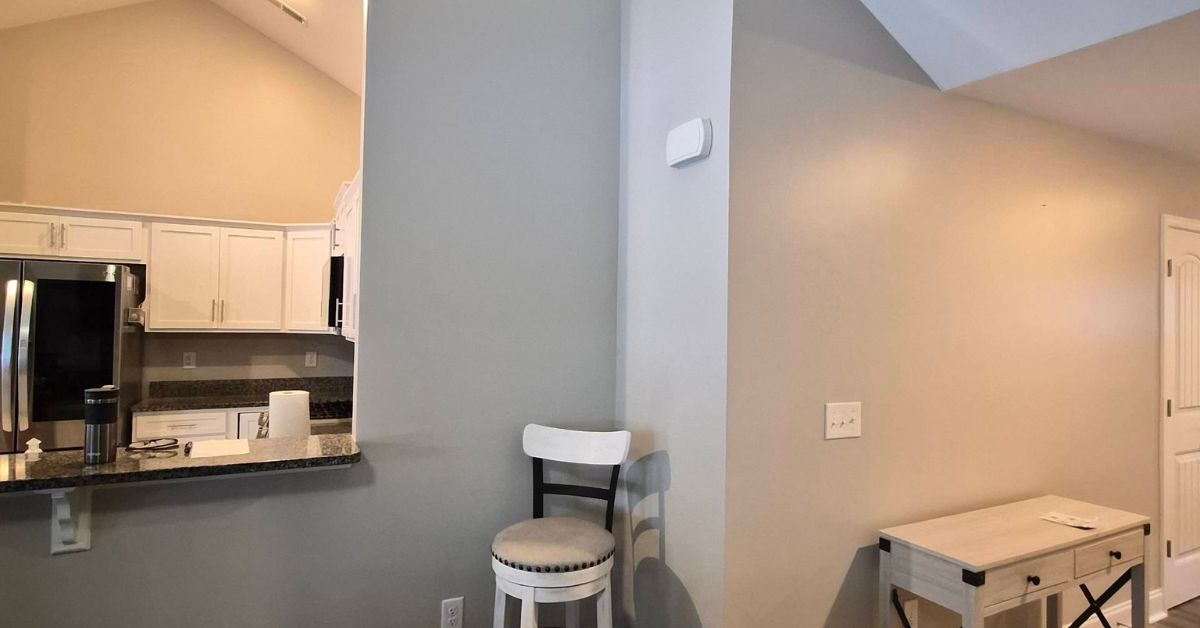
The Role of Sheen in Cleanability
Sheen refers to the amount of light a painted surface reflects. It also directly impacts how easily you can clean a wall. Flat or matte finishes absorb light, hiding imperfections like bumps or drywall tape lines. However, this porosity makes them absorb dirt and oil. Rubbing a flat wall often burnishes the surface, creating a shiny spot that looks worse than the stain itself.
Glossier finishes reflect light, creating a more rigid, smoother surface. This slickness allows you to wipe away grime without grinding it into the paint pores.
High-Gloss and Semi-Gloss
High-gloss offers the highest level of durability. It works best on doors, trim, and cabinets where fingerprints accumulate daily. Semi-gloss provides similar protection but with slightly less shine, making it a popular choice for kitchens and bathrooms. These finishes repel moisture and withstand heavy scrubbing.
Satin and Eggshell
Satin and eggshell finishes strike a balance between durability and aesthetics. They offer enough gloss to resist stains but remain low-luster enough to hide minor wall flaws. Most homeowners choose these sheens for living rooms, hallways, and kids’ bedrooms. They provide a wipeable surface that doesn’t feel clinical or overly shiny.
Matte and Flat Enamels
Technology has improved matte finishes significantly. Some manufacturers now offer “washable matte” or “scuff-resistant” flat enamels. These products use ceramic microspheres or advanced resin technology to create a durable, non-shiny surface. They work well in low-traffic areas or on ceilings where you rarely need to scrub.
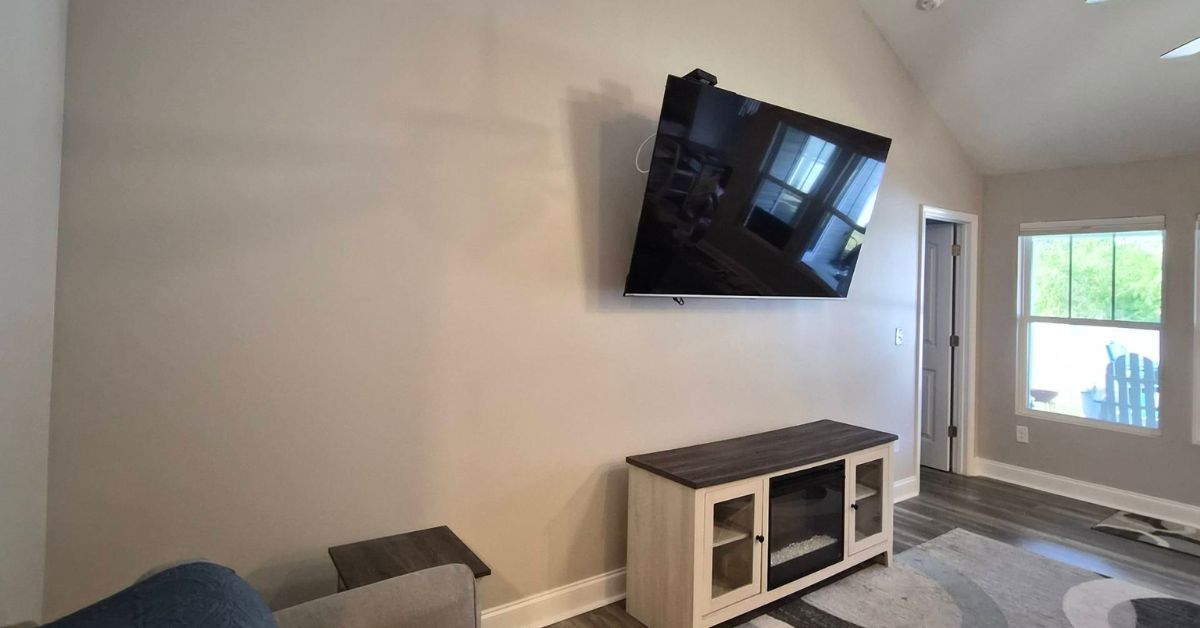
Where To Use Washable Paint
Every room faces different challenges. A bathroom handles steam and soap scum, while a hallway experiences constant friction from bags and shoulders. Matching the paint type to the room’s function extends the life of your paint job.
Kitchens and Bathrooms
Grease, food splatter, and humidity constantly attack kitchen walls. Bathrooms are exposed to similar risks from steam and personal care products. You need a finish that repels water and resists mildew. Semi-gloss or a high-quality satin enamel works best here. These finishes create a barrier that stops moisture from seeping into the drywall.
Hallways and Entryways
These transition spaces see the most foot traffic. People brush against walls, drop bags, and track in dirt. A professional interior house painter can assess these high-impact zones and recommend a scuff-resistant satin or eggshell finish. These options withstand abrasion better than standard flat paints, keeping your entry welcoming rather than worn.
Children’s Rooms and Play Areas
Kids treat walls as canvases and backdrops for roughhousing. Crayon marks, scuffs, and sticky hands define these spaces. A high-quality satin finish offers the best defense. It cleans up easily and resists the staining found in cheaper paints.
Cleaning Painted Walls Correctly
Even the most challenging paint won’t last if cleaned incorrectly. Harsh chemicals and abrasive sponges can damage the finish. Start with a microfiber cloth to remove dust, then use a damp sponge with mild soapy water to gently clean stains. For stubborn scuffs, carefully use a melamine sponge, testing it in a hidden spot first to avoid dulling the finish. Avoid soaking the wall to prevent damage.
What to Avoid
Never use harsh solvents, ammonia, or bleach on painted walls unless the manufacturer specifically approves it. These chemicals strip the paint of its oil, leaving it brittle and discolored. Avoid steel wool or stiff-bristle brushes, as they will scratch the surface instantly.
When to Repaint Instead of Clean
Sometimes a wall passes the point of no return. If you scrub a spot and the paint peels away, revealing the drywall, you need to repaint the area. Deep gouges, widespread staining, or fading from sunlight also indicate the need for a fresh coat.
Trying to touch up a small area in the middle of a wall often fails. Paint fades over time, so the new paint from the original can may appear darker or lighter than the surrounding area. Painting corner to corner ensures a uniform appearance.
Preparing for a Durable Finish
Preparation is key to a successful paint job. Skipping the prep work can lead to poor results. Paint adheres best to a clean, dry, and matte surface.
Start by washing walls with a TSP (trisodium phosphate) substitute to remove grease and grime. Lightly sand glossy surfaces to help the new paint stick. Apply a high-quality primer to seal stains and create an even base. This step prevents stains from showing through and increases the durability of the topcoat.
Allow each coat to dry thoroughly before applying the next. Rushing causes trapped moisture, which weakens the paint and can lead to peeling. Always follow the manufacturer’s recommended drying time for the best results.
Maintaining Your Fresh Look
Protecting your investment takes minimal effort if done consistently. Spot-clean messes immediately, as stains penetrate deeper the longer they sit. Keep high-traffic areas clear of furniture that might rub against walls. Install chair rails or wainscoting in dining rooms or hallways to withstand heavy foot traffic.
These are often painted with durable, high-gloss trim paint to shield more delicate wall paint. Routine maintenance keeps your home looking sharp: dust walls monthly to prevent dirt buildup, and inspect high-stress areas like doorframes and baseboards annually for chips or wear. Fixing small issues early prevents bigger problems.
Trust The Professionals With Your Project
Choosing the right finish balances style, function, and budget. DIY projects can be tempting, but professional painters understand local humidity and the effects of paint on wall surfaces. Hiring a pro ensures even application and proper thickness, and handles tedious prep work that’s easy to rush when DIYing.
Investing in professional help often saves you money over time. Now that you have everything you need to know about washable paint, you can ensure your walls stand up to whatever life throws their way. Contact our team today to breathe new life into your home. Our professional painters are one call away.